
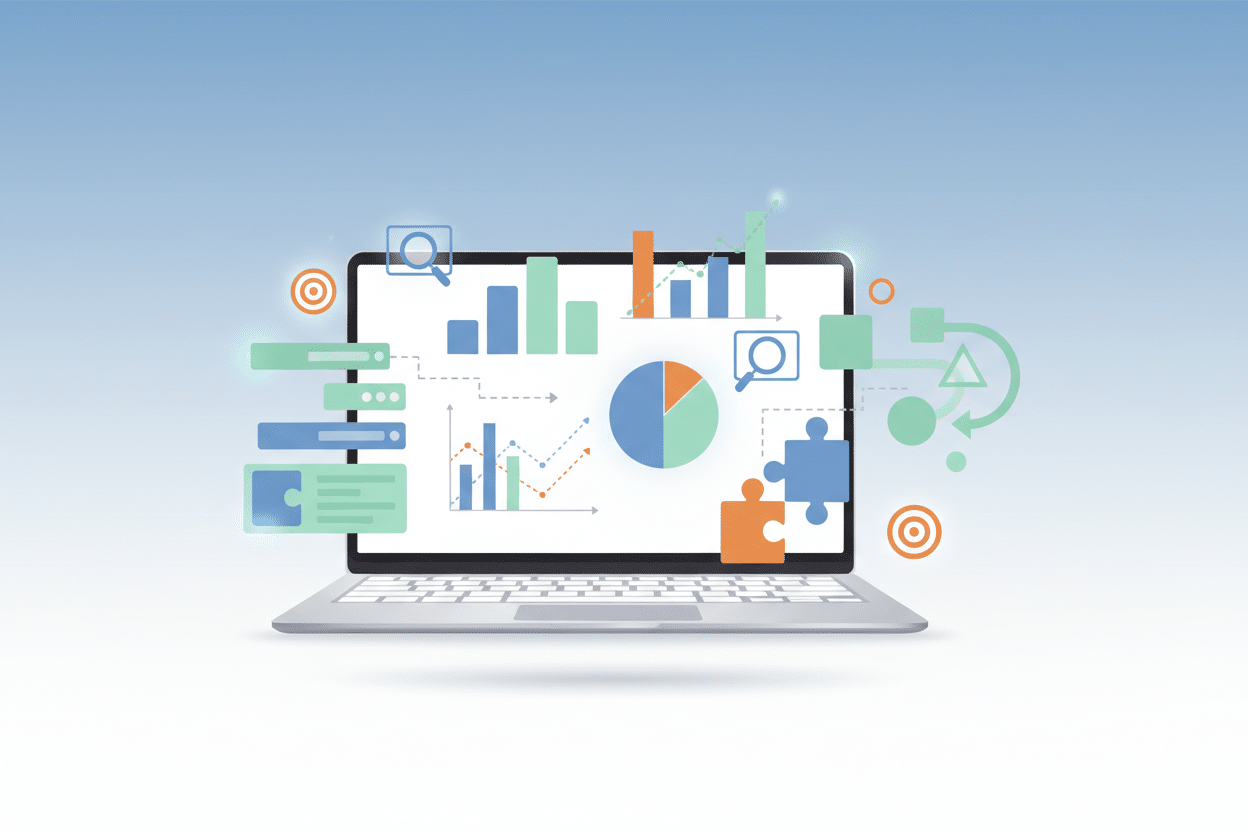
How to Use No-Code Tools for Improved Market Research 🔍
Table of Contents
1. Introduction to No-Code Market Research
2. Why Traditional Market Research Falls Short
3. Top No-Code Tools for Market Research
4. Building Your First No-Code Research Project
5. Advanced No-Code Research Strategies
6. Real-World Success Stories
7. Common Pitfalls to Avoid
8. Frequently Asked Questions
9. Conclusion
Introduction: The No-Code Revolution in Market Research 📊
Remember when conducting market research meant either hiring expensive consultants or spending weeks wrestling with complex software? Those days are rapidly becoming a distant memory. I’ve watched countless businesses transform their research capabilities using no-code tools, and honestly, it’s been nothing short of remarkable.
The no-code movement has democratized market research in ways we couldn’t have imagined just five years ago. Today, a small business owner in Ohio can create sophisticated surveys, analyze customer behavior, and generate actionable insights without writing a single line of code or breaking the bank. It’s not just about saving money – it’s about speed, flexibility, and putting research power directly into the hands of those who need it most.
In this comprehensive guide, we’ll explore how no-code tools can revolutionize your market research approach. Whether you’re a startup founder trying to validate your product idea or a marketing manager looking to understand customer preferences better, you’ll discover practical strategies that you can implement starting today.
Why Traditional Market Research Falls Short in Today’s Fast-Paced World ⚡
Let’s be honest – traditional market research has some serious limitations that become more apparent every day. I’ve seen too many businesses miss crucial market opportunities because their research processes were too slow, too expensive, or too rigid.
Traditional research often requires specialized knowledge, significant budget allocation, and weeks or months to complete. By the time you get your results, market conditions might have already shifted. In today’s digital landscape, where consumer preferences can change overnight, this approach simply doesn’t cut it anymore.
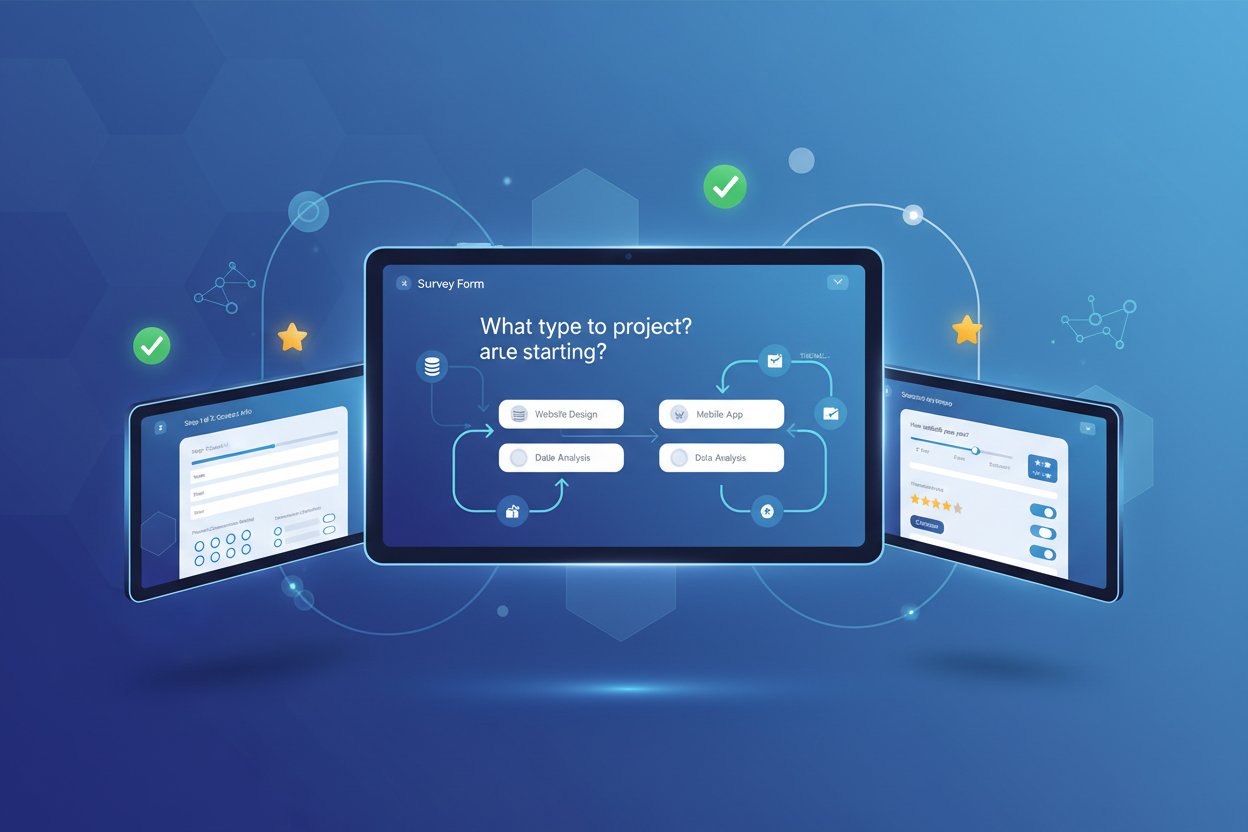
The real game-changer is accessibility. Traditional research tools often require technical expertise that most business owners don’t possess. No-code tools eliminate this barrier entirely, allowing anyone with basic computer skills to conduct meaningful research. This democratization means better insights, faster decision-making, and more agile business strategies.
Essential No-Code Tools That Will Transform Your Market Research 🛠️
After testing dozens of platforms, I’ve identified several no-code tools that consistently deliver exceptional results for market research. Each tool serves different purposes, so understanding their strengths will help you build a comprehensive research toolkit.
Survey and Form Builders form the foundation of most research projects. Tools like Typeform, Google Forms, and Airtable Forms allow you to create engaging surveys that people actually want to complete. What sets these apart is their ability to create conditional logic, beautiful designs, and seamless user experiences without any coding knowledge.
Data Analysis Platforms like Notion, Airtable, and Google Sheets have evolved far beyond simple spreadsheets. These platforms now offer powerful filtering, sorting, and visualization capabilities that can handle complex research data. I particularly love how Airtable combines the flexibility of a spreadsheet with the power of a database.
Automation Tools such as Zapier and Make (formerly Integromat) connect your research tools together, creating seamless workflows. Imagine automatically adding survey responses to your CRM, sending follow-up emails to participants, or updating your research dashboard in real-time. These tools make it all possible without writing code.
Analytics and Visualization Platforms like Google Analytics, Hotjar, and Mixpanel provide deep insights into user behavior. While these aren’t traditionally considered “no-code,” their user-friendly interfaces make complex analysis accessible to non-technical users.
Building Your First No-Code Research Project: A Step-by-Step Guide 🚀
Starting your first no-code research project might feel overwhelming, but I promise it’s simpler than you think. I’ll walk you through creating a complete customer satisfaction survey that automatically analyzes results and sends alerts when action is needed.
Step 1: Define Your Research Objectives
Before touching any tools, clearly define what you want to learn. Are you trying to understand customer pain points? Validate a new product feature? Measure brand awareness? Your objectives will guide every subsequent decision.
Step 2: Choose Your Survey Platform
For this example, let’s use Typeform because of its engaging interface and powerful logic features. Create an account and start with a customer satisfaction template. The beauty of no-code tools is that you can see your survey taking shape in real-time.
Step 3: Design Your Questions Strategically
Mix different question types to keep respondents engaged. Use multiple choice for quantitative data, open-ended questions for qualitative insights, and rating scales for satisfaction metrics. Typeform’s conditional logic allows you to show different follow-up questions based on previous answers.
Step 4: Set Up Data Collection and Analysis
Connect your survey to Airtable using Zapier. This automatically creates a structured database of responses that you can analyze and visualize. Set up views for different response types and create formulas to calculate satisfaction scores automatically.
Step 5: Create Automated Alerts and Reports
Use Zapier to send email alerts when satisfaction scores drop below a certain threshold. You can also create weekly summary reports that automatically compile your findings and send them to stakeholders.
Advanced No-Code Research Strategies for Deeper Insights 📈
Once you’re comfortable with basic survey creation, it’s time to explore more sophisticated research approaches. These advanced strategies have helped me uncover insights that traditional methods often miss.
Behavioral Analysis Through User Journey Mapping
Tools like Hotjar and FullStory allow you to watch how users interact with your website or app. Combined with survey data, this creates a complete picture of the customer experience. I’ve discovered that what people say they do and what they actually do can be surprisingly different.
Cohort Analysis Using Spreadsheet Functions
Google Sheets and Airtable can perform sophisticated cohort analysis to understand how different customer groups behave over time. By segmenting users based on signup date, acquisition channel, or behavior patterns, you can identify trends that inform product development and marketing strategies.
Sentiment Analysis with AI-Powered Tools
Platforms like MonkeyLearn and Lexalytics offer no-code sentiment analysis capabilities. Upload your survey responses, social media mentions, or customer reviews, and these tools will automatically categorize sentiment and identify key themes. It’s like having a research assistant that never sleeps.
Multi-Channel Data Integration
The real power emerges when you combine data from multiple sources. Use Zapier to connect your survey responses with CRM data, website analytics, and social media metrics. This holistic view often reveals insights that single-channel analysis misses entirely.
Real-World Success Stories: No-Code Research in Action 💡
Let me share some inspiring examples of businesses that have transformed their research capabilities using no-code tools. These stories demonstrate the practical impact of democratized research.
A local restaurant chain used Typeform and Airtable to conduct weekly customer satisfaction surveys. By automating the analysis and creating real-time dashboards, they identified specific menu items and service issues that were driving customer dissatisfaction. Within three months, they improved their average rating from 3.2 to 4.6 stars.
An e-commerce startup used Hotjar heatmaps combined with exit-intent surveys to understand why visitors weren’t converting. They discovered that their checkout process was confusing on mobile devices. After simplifying the process based on research insights, their mobile conversion rate increased by 127%.
A SaaS company created an automated user onboarding survey using Google Forms and Zapier. New users receive personalized follow-up emails based on their responses, and the product team gets real-time alerts about feature requests and pain points. This system helped them reduce churn by 34% in the first quarter.
Common Pitfalls to Avoid in No-Code Market Research ⚠️
While no-code tools are incredibly powerful, I’ve seen businesses make some costly mistakes. Learning from these common pitfalls can save you time, money, and frustration.
Survey Fatigue and Poor Response Rates
Just because you can create surveys easily doesn’t mean you should survey customers constantly. I’ve seen businesses kill their response rates by over-surveying. Focus on quality over quantity, and always provide value to respondents through incentives or by sharing how their feedback creates positive changes.
Analysis Paralysis
No-code tools make it easy to collect massive amounts of data, but more data isn’t always better. Define clear success metrics before starting your research, and resist the temptation to analyze every possible data point. Focus on insights that directly inform business decisions.
Ignoring Data Quality
Easy data collection can lead to sloppy data quality. Implement validation rules in your forms, regularly clean your datasets, and watch for patterns that might indicate bot responses or survey fraud. Clean data is far more valuable than large amounts of questionable data.
Lack of Statistical Significance
No-code tools don’t automatically make your research statistically valid. Understand sample sizes, confidence intervals, and statistical significance before making major business decisions based on your findings. When in doubt, consult with a statistician or use online calculators to verify your results.
Frequently Asked Questions 🤔
Q: Do I need any technical background to use no-code research tools?
A: Not at all! That’s the beauty of no-code tools. If you can use email and basic computer applications, you can master these platforms. Most offer excellent tutorials and customer support to help you get started.
Q: How much does it cost to set up a no-code research system?
A: Many tools offer free tiers that are perfect for small businesses. You can create a comprehensive research system for under $50 per month, compared to thousands for traditional research solutions.
Q: Can no-code tools handle large-scale research projects?
A: Absolutely! Many no-code platforms scale easily and can handle thousands of responses. However, for enterprise-level projects with complex requirements, you might need to combine multiple tools or consider hybrid approaches.
Q: How do I ensure my research data is secure?
A: Choose reputable platforms that offer encryption, GDPR compliance, and regular security updates. Always review privacy policies and consider where your data is stored, especially for sensitive research.
Q: What’s the biggest advantage of no-code research over traditional methods?
A: Speed and flexibility. You can design, launch, and analyze research projects in days rather than weeks or months. This agility allows you to respond quickly to market changes and customer needs.
Q: How do I know if my research results are reliable?
A: Focus on proper sampling methods, adequate sample sizes, and clear question design. Cross-reference findings with other data sources when possible, and don’t hesitate to repeat studies to validate results.
Conclusion: Your Next Steps in the No-Code Research Journey 🎯
The democratization of market research through no-code tools represents one of the most significant shifts in business intelligence we’ve seen in decades. What once required specialized teams and substantial budgets is now accessible to anyone with curiosity and determination.
The key to success isn’t mastering every tool available – it’s choosing the right combination of platforms that align with your specific research needs and business goals. Start small, experiment with different approaches, and gradually build your no-code research capabilities.
Remember, the goal isn’t to replace human insight with automation, but to enhance your ability to gather, analyze, and act on customer insights quickly and effectively. The businesses that embrace these tools today will have a significant competitive advantage tomorrow.
Your customers are constantly evolving, and your research methods should evolve with them. No-code tools provide the flexibility and speed you need to stay ahead of changing preferences and market conditions. The question isn’t whether you should adopt these tools – it’s how quickly you can get started.
Take the first step today. Choose one tool, define a simple research question, and launch your first no-code research project. You’ll be amazed at what you can discover when the barriers to research disappear. The insights you need to grow your business are waiting – you just need the right tools to uncover them. 🚀
Click Here For More Details