
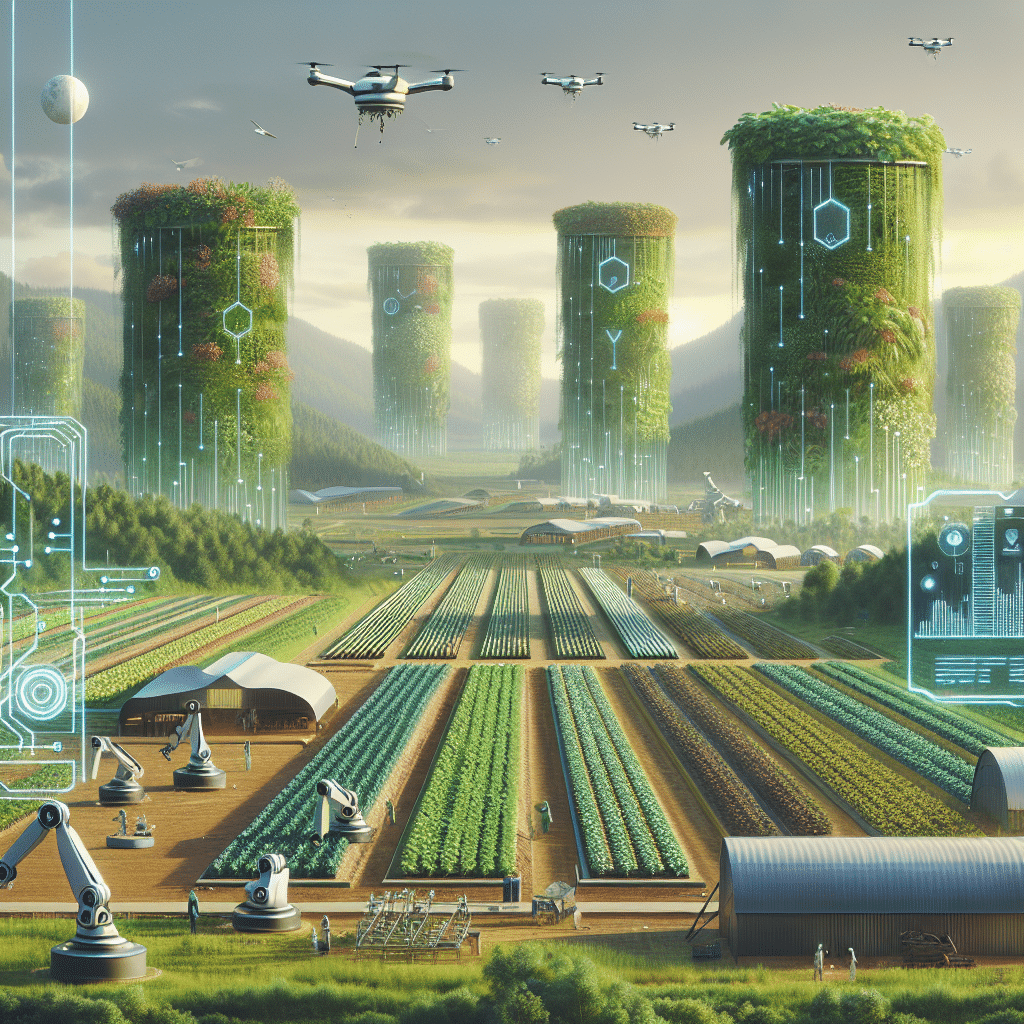
The Future of No-Code Automation in the Agricultural Sector
As we stand at the forefront of technological advancements, the agricultural sector is experiencing a digital transformation like never before. One of the most exciting developments is the rise of no-code automation tools. These platforms are set to revolutionize how farming operations are conducted, making them more efficient, sustainable, and accessible. 🌾
Table of Contents
1. Introduction to No-Code Automation
2. The Agricultural Sector’s Need for Automation
3. How No-Code Solutions Work
4. Benefits of No-Code Automation in Agriculture
5. Challenges and Considerations
6. The Future Outlook
7. FAQs
8. Conclusion
Introduction to No-Code Automation
No-code automation refers to platforms and tools that enable users to build software applications and automate processes without needing extensive coding knowledge. By leveraging intuitive interfaces like drag-and-drop builders, these tools democratize tech development, allowing anyone with an idea and a computer to create digital solutions. 🚀
The Agricultural Sector’s Need for Automation
The agricultural sector is under immense pressure to increase productivity while maintaining sustainability. With the global population projected to reach 9.7 billion by 2050, the demand for food is set to skyrocket. Traditional farming methods alone can’t meet this demand. Automation is no longer a luxury but a necessity to enhance efficiency, reduce labor costs, and optimize resource use.
How No-Code Solutions Work
No-code platforms empower farmers and agribusinesses to automate tasks that previously required complex programming. Here’s a quick overview of how they function:
Visual Development
Users can create workflows and automate processes using visual interfaces. This eliminates the need for programming languages, making it accessible to non-tech-savvy users.
Integration Capabilities
No-code tools often come with pre-built integrations for various services and applications, facilitating seamless data exchange and process automation.
Scalability
These platforms are designed to scale with the needs of the business, allowing farmers to expand their operations without the burden of massive tech overhauls.
Benefits of No-Code Automation in Agriculture
Increased Efficiency
No-code automation can dramatically improve the efficiency of farming operations. Automated irrigation systems, crop monitoring, and inventory management can be set up without extensive IT support, saving time and labor.
Cost-Effectiveness
By reducing the need for specialized IT personnel and complex software development, no-code solutions significantly cut costs. Farmers can focus resources on critical areas like crop production and market expansion.
Enhanced Data Management
With the ability to easily integrate data from various sources, farmers can gain valuable insights into crop health, weather patterns, and market trends, enabling data-driven decision-making.
Environmental Sustainability
Automation can lead to more precise resource use, minimizing waste, and reducing the environmental footprint. For instance, smart irrigation systems can optimize water use based on weather forecasts and soil moisture levels.
Challenges and Considerations
Despite its advantages, no-code automation is not without challenges. Here are a few considerations:
Learning Curve
While no-code tools are designed to be user-friendly, there is still a learning curve involved. Adequate training and support are essential to maximize their potential.
Data Security
As with any digital solution, data security is a significant concern. Ensuring robust security measures are in place is crucial to protect sensitive agricultural data.
Customization Limits
No-code platforms may not offer the same level of customization as traditional coding, which could be a limitation for highly specialized agricultural operations.
The Future Outlook
The future of no-code automation in agriculture is promising. As technology continues to evolve, these tools will become even more sophisticated, offering enhanced features and capabilities. We can expect to see wider adoption across the agricultural sector, driving innovation and sustainability. The integration of artificial intelligence and machine learning with no-code platforms could further revolutionize agricultural practices, making the impossible possible. 🌟
FAQs
Q: What is no-code automation?
A: No-code automation refers to tools that allow users to create and automate software applications without needing to write code.
Q: How can no-code automation benefit farmers?
A: It increases efficiency, reduces costs, enhances data management, and supports environmental sustainability.
Q: What are some challenges of implementing no-code solutions in agriculture?
A: Challenges include a learning curve, data security concerns, and potential customization limits.
Conclusion
No-code automation is set to transform the agricultural sector, making it more innovative, efficient, and sustainable. As these tools become more prevalent, farmers will be empowered to meet global food demands while preserving our planet’s resources. The future of agriculture is bright with no-code solutions leading the way. 🌍✨
Click Here For More Details