
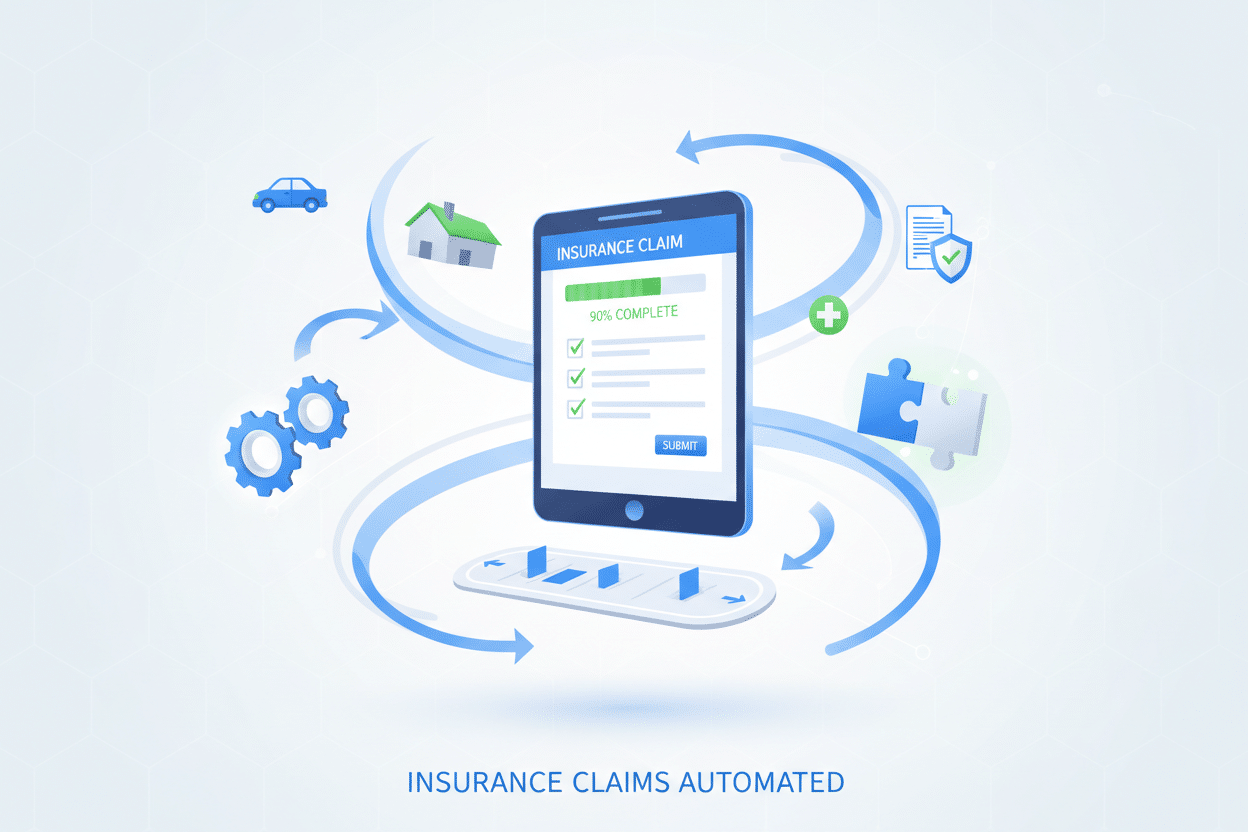
The Impact of No-Code Automation on Streamlining Insurance Claims 🚀
Picture this: You’ve just been in a minor fender-bender, and instead of spending weeks navigating paperwork and phone calls, your insurance claim gets processed in hours. Sounds like a dream? Well, thanks to no-code automation, this scenario is becoming reality for millions of policyholders worldwide. The insurance industry, traditionally known for its complex processes and lengthy claim procedures, is experiencing a revolutionary transformation through automated solutions that don’t require extensive programming knowledge.
No-code automation platforms are empowering insurance companies to streamline their claims processes like never before. These tools allow insurers to create sophisticated workflows, integrate multiple systems, and automate repetitive tasks without writing a single line of code. The result? Faster claim processing, reduced operational costs, improved customer satisfaction, and fewer human errors. Let’s dive deep into how this technological shift is reshaping the insurance landscape and what it means for both insurers and their customers.
Table of Contents 📋
• Understanding No-Code Automation in Insurance
• Key Benefits of Automated Claims Processing
• Real-World Applications and Use Cases
• Implementation Challenges and Solutions
• Future Trends and Opportunities
• Getting Started with No-Code Automation
• Frequently Asked Questions
Understanding No-Code Automation in Insurance 🔍
No-code automation represents a paradigm shift in how insurance companies approach technology solutions. Unlike traditional software development that requires specialized programming skills, no-code platforms use visual interfaces, drag-and-drop functionality, and pre-built templates to create powerful automation workflows.
In the context of insurance claims, this technology enables companies to automate everything from initial claim intake to final settlement disbursement. Think of it as building with digital LEGO blocks – each piece serves a specific function, and when connected properly, they create a comprehensive automated system that can handle complex insurance processes.
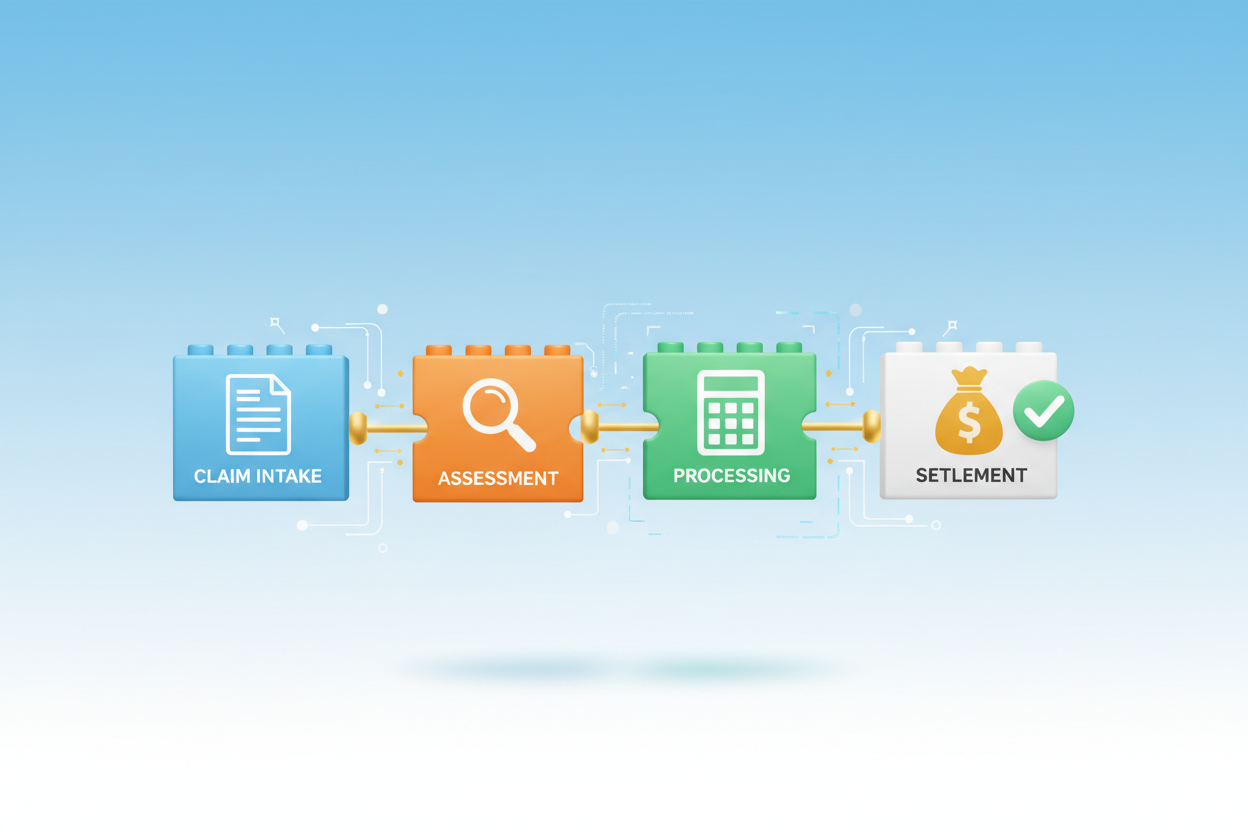
The beauty of no-code solutions lies in their accessibility. Insurance professionals who understand the business processes intimately can now create and modify automation workflows without depending on IT departments or external developers. This democratization of technology has accelerated innovation within the industry, allowing companies to respond quickly to changing customer needs and market conditions.
Key Benefits of Automated Claims Processing ⚡
The transformation brought by no-code automation in insurance claims processing extends far beyond simple efficiency gains. Let’s explore the most significant advantages that are revolutionizing the industry.
Lightning-Fast Processing Times
Traditional insurance claims often involve multiple touchpoints, manual data entry, and lengthy approval processes. With no-code automation, what once took weeks can now be completed in days or even hours. Automated systems can instantly verify policy details, cross-reference claim information with databases, and route cases to appropriate adjusters based on predefined criteria.
I’ve witnessed firsthand how automation can reduce simple claim processing times from an average of 15 days to just 2-3 days. This dramatic improvement isn’t just about speed – it’s about providing customers with the support they need when they need it most.
Enhanced Accuracy and Reduced Human Error
Manual data entry and processing are notorious sources of errors in insurance claims. A single typo or miscalculation can delay claims for weeks or result in incorrect payouts. No-code automation systems eliminate these risks by standardizing data collection, implementing validation rules, and ensuring consistent processing across all claims.
These systems can automatically detect inconsistencies, flag suspicious patterns, and ensure that all required documentation is collected before processing begins. The result is a more reliable, accurate claims process that builds trust between insurers and their customers.
Cost Reduction and Resource Optimization
By automating routine tasks, insurance companies can significantly reduce operational costs while reallocating human resources to more complex, value-added activities. Claims adjusters can focus on investigating complex cases rather than spending time on paperwork and data entry.
Studies show that companies implementing comprehensive no-code automation solutions can reduce claims processing costs by up to 40% while simultaneously improving service quality. This cost efficiency can be passed on to customers through competitive premiums or reinvested in better coverage options.
Real-World Applications and Use Cases 💼
The practical applications of no-code automation in insurance claims are diverse and constantly expanding. Here are some of the most impactful use cases currently transforming the industry.
Automated Claim Intake and Triage
Modern no-code platforms can create intelligent claim intake systems that guide customers through the reporting process using chatbots, web forms, or mobile apps. These systems automatically categorize claims based on type, severity, and complexity, routing them to appropriate departments or adjusters.
For example, a simple auto glass replacement claim might be automatically approved and processed without human intervention, while a complex multi-vehicle accident would be immediately flagged for detailed investigation. This intelligent triage ensures that resources are allocated efficiently and customers receive appropriate attention based on their specific needs.
Document Processing and Verification
No-code automation excels at handling the mountain of paperwork associated with insurance claims. Optical Character Recognition (OCR) technology integrated with automation workflows can extract data from photos, PDFs, and scanned documents, automatically populating claim forms and cross-referencing information with policy databases.
This capability is particularly valuable for processing medical bills, repair estimates, and police reports. The system can instantly verify that submitted documents are complete, properly formatted, and contain all necessary information before forwarding them for human review.
Fraud Detection and Prevention
Automated systems can analyze claim patterns, compare historical data, and flag potentially fraudulent activities much faster than human reviewers. No-code platforms can integrate with external databases, social media monitoring tools, and other data sources to build comprehensive fraud detection workflows.
These systems don’t replace human judgment but rather enhance it by providing investigators with relevant information and red flags that might otherwise be missed. The result is more effective fraud prevention without slowing down legitimate claims processing.
Implementation Challenges and Solutions 🛠️
While no-code automation offers tremendous benefits, successful implementation requires careful planning and consideration of potential challenges.
Data Integration and Legacy System Compatibility
Many insurance companies operate on legacy systems that weren’t designed for modern integration. Connecting these older systems with new automation platforms can be complex and require specialized expertise.
The solution lies in choosing no-code platforms that offer robust integration capabilities and working with experienced implementation partners who understand both insurance processes and technical requirements. Many successful implementations use a phased approach, gradually connecting systems and expanding automation capabilities over time.
Staff Training and Change Management
Introducing automation inevitably changes how employees work, and some may resist these changes due to fear of job displacement or unfamiliarity with new technologies. Successful implementations require comprehensive training programs and clear communication about how automation will enhance rather than replace human capabilities.
Companies that invest in proper change management see much higher adoption rates and better long-term results. It’s crucial to involve employees in the design process and demonstrate how automation will make their jobs easier and more fulfilling.
Regulatory Compliance and Security
Insurance is a heavily regulated industry, and any automation solution must comply with various federal and state requirements. No-code platforms must include robust security features, audit trails, and compliance monitoring capabilities.
The key is selecting platforms that are specifically designed for regulated industries and working with vendors who understand insurance compliance requirements. Regular audits and compliance reviews should be built into the automation workflows to ensure ongoing adherence to regulations.
Future Trends and Opportunities 🔮
The future of no-code automation in insurance claims processing looks incredibly promising, with several exciting trends on the horizon.
Artificial Intelligence Integration
The next generation of no-code platforms is incorporating AI and machine learning capabilities, enabling even more sophisticated automation. These systems can learn from historical claims data to improve decision-making, predict claim outcomes, and identify optimization opportunities.
Imagine an automation system that can predict which claims are likely to result in litigation or identify customers who might benefit from additional coverage based on their claim history. These capabilities are moving from science fiction to reality.
Mobile-First Automation
As mobile technology continues to advance, we’re seeing increased focus on mobile-optimized automation workflows. Customers can now submit claims, upload photos, and track progress entirely through mobile apps, while adjusters can process claims and communicate with customers from anywhere.
This mobility is particularly valuable for field adjusters who can access automation tools while inspecting damage sites, instantly updating claim status and triggering next steps in the process.
Getting Started with No-Code Automation 🚀
For insurance companies considering no-code automation, the key is to start small and scale gradually. Begin by identifying the most repetitive, time-consuming processes in your claims workflow and evaluating how automation could improve them.
Consider partnering with experienced vendors who specialize in insurance automation and can provide guidance throughout the implementation process. Look for platforms that offer pre-built insurance templates and workflows to accelerate deployment.
Most importantly, involve your claims team in the planning process. They understand the nuances of your processes better than anyone and can provide valuable insights into where automation will have the greatest impact.
Frequently Asked Questions ❓
What types of insurance claims benefit most from no-code automation?
Simple, high-volume claims like auto glass repairs, minor property damage, and routine medical claims see the greatest benefits. However, automation can enhance virtually any type of claim processing by handling routine tasks and data management.
How long does it typically take to implement no-code automation for claims processing?
Implementation timelines vary based on complexity and scope, but most companies see initial results within 3-6 months. Simple workflows can be deployed in weeks, while comprehensive automation solutions may take 6-12 months to fully implement.
Will automation replace human claims adjusters?
No, automation enhances rather than replaces human expertise. While routine tasks become automated, adjusters can focus on complex investigations, customer service, and decision-making that requires human judgment and empathy.
What security measures are in place for automated claims processing?
Modern no-code platforms include enterprise-grade security features such as encryption, access controls, audit trails, and compliance monitoring. Many platforms are specifically designed to meet insurance industry security requirements.
How much can companies expect to save with no-code automation?
Savings vary by company size and implementation scope, but studies show potential cost reductions of 20-40% in claims processing expenses, along with improved customer satisfaction and faster processing times.
Can small insurance companies benefit from no-code automation?
Absolutely! No-code platforms are particularly valuable for smaller companies because they provide enterprise-level capabilities without requiring large IT investments or specialized development teams.
Conclusion: Embracing the Future of Claims Processing 🌟
The impact of no-code automation on insurance claims processing represents more than just a technological upgrade – it’s a fundamental shift toward more efficient, accurate, and customer-centric operations. As we’ve explored throughout this post, the benefits extend far beyond simple cost savings to encompass improved customer experiences, enhanced accuracy, and new opportunities for innovation.
The insurance industry stands at a crossroads where companies that embrace automation will gain significant competitive advantages, while those that resist change risk falling behind. The good news is that no-code platforms make this transformation accessible to organizations of all sizes, removing traditional barriers to technological advancement.
For insurance professionals, the message is clear: the future belongs to companies that can blend human expertise with automated efficiency. By implementing thoughtful, well-designed automation solutions, insurers can create win-win scenarios where operational costs decrease, processing speeds increase, and customer satisfaction soars.
The journey toward fully automated claims processing may seem daunting, but remember that every transformation begins with a single step. Whether you’re just starting to explore automation possibilities or ready to implement comprehensive solutions, the key is to begin with clear objectives, involve your team in the process, and choose technology partners who understand your unique needs.
As we look toward the future, one thing is certain: no-code automation will continue to evolve and offer even more powerful capabilities for streamlining insurance claims. The companies that start this journey today will be best positioned to take advantage of tomorrow’s innovations, creating more efficient operations and better experiences for their customers. 🎯
Click Here For More Details



 HIX.AI 1 Month Plan: Supercharge Your Writing with AI Magic! 🚀✍️