The Role of No-Code Automation in Enhancing Brand Storytelling: Transform Your Narrative Without Breaking the Bank 🚀
Table of Contents
• Introduction: Why Brand Storytelling Matters More Than Ever
• Understanding No-Code Automation for Brand Storytelling
• Key Benefits of No-Code Tools for Content Creation
• Popular No-Code Platforms Revolutionizing Brand Narratives
• Real-World Applications and Success Stories
• Overcoming Common Challenges in Automated Storytelling
• Future Trends in No-Code Brand Storytelling
• Conclusion: Your Next Steps Toward Automated Brand Excellence
• Frequently Asked Questions
Introduction: Why Brand Storytelling Matters More Than Ever
Picture this: you’re scrolling through your social media feed, and suddenly, a brand’s story stops you mid-scroll. It’s not just another product advertisement – it’s a narrative that resonates with your values, experiences, and aspirations. That’s the magic of effective brand storytelling, and in today’s digital landscape, it’s become the secret sauce that separates memorable brands from forgettable ones. 📖
But here’s the challenge many businesses face: creating compelling, consistent brand stories across multiple platforms while managing limited resources and tight budgets. Enter no-code automation – a game-changing approach that’s democratizing brand storytelling and making it accessible to businesses of all sizes.
In this comprehensive guide, we’ll explore how no-code automation tools are revolutionizing the way brands craft, distribute, and optimize their narratives. Whether you’re a startup founder wearing multiple hats or a marketing professional looking to streamline your storytelling process, you’ll discover practical strategies to enhance your brand’s narrative without requiring a computer science degree.
Understanding No-Code Automation for Brand Storytelling
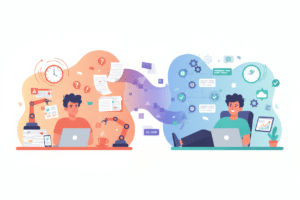
No-code automation represents a fundamental shift in how we approach digital marketing and content creation. At its core, it’s about empowering non-technical users to build sophisticated workflows, create dynamic content, and manage complex marketing campaigns using visual, drag-and-drop interfaces instead of traditional programming languages.
When applied to brand storytelling, no-code automation enables businesses to create personalized, timely, and contextually relevant narratives at scale. Think of it as having a digital storytelling assistant that never sleeps, constantly working to ensure your brand’s voice reaches the right audience at the perfect moment.
The beauty lies in its accessibility. Small business owners who once relied on expensive agencies or technical teams can now craft sophisticated storytelling campaigns themselves. Marketing professionals can experiment with new narrative approaches without waiting for development cycles. Content creators can focus on what they do best – creating compelling stories – while automation handles the distribution and optimization.
Key Benefits of No-Code Tools for Content Creation
The advantages of incorporating no-code automation into your brand storytelling strategy extend far beyond simple convenience. Let’s dive into the transformative benefits that are reshaping how brands communicate with their audiences.
Cost-Effectiveness and Resource Optimization: Traditional storytelling campaigns often require significant investments in development teams, specialized software, and ongoing maintenance. No-code solutions dramatically reduce these overhead costs, allowing businesses to allocate more resources toward creative content development and strategic planning. I’ve seen startups achieve enterprise-level storytelling capabilities with budgets that would have been impossible just a few years ago.
Speed and Agility in Campaign Deployment: In today’s fast-paced digital environment, timing can make or break a brand story. No-code automation enables rapid campaign deployment, allowing brands to capitalize on trending topics, respond to current events, or launch seasonal narratives within hours rather than weeks. This agility is particularly crucial for brands operating in dynamic markets where consumer sentiment shifts rapidly.
Personalization at Scale: Perhaps the most exciting benefit is the ability to create personalized storytelling experiences for different audience segments. No-code tools can automatically adjust narrative elements based on user behavior, demographics, preferences, and interaction history. This level of personalization was once the exclusive domain of tech giants with massive development teams.
Data-Driven Narrative Optimization: Modern no-code platforms come equipped with robust analytics capabilities, enabling brands to continuously refine their storytelling approach based on real performance data. You can test different narrative angles, optimize content timing, and adjust messaging strategies without technical expertise.
Popular No-Code Platforms Revolutionizing Brand Narratives
The no-code ecosystem has exploded with innovative platforms designed to enhance brand storytelling. Each offers unique strengths and capabilities that cater to different aspects of narrative creation and distribution.
Zapier and Make (formerly Integromat) serve as the backbone of many automated storytelling workflows. These platforms excel at connecting different tools and triggering actions based on specific events. For instance, you might set up an automation that generates personalized follow-up stories when customers complete specific actions on your website.
Notion and Airtable have transformed content planning and collaboration. These platforms enable teams to create sophisticated content calendars, track story performance, and maintain brand consistency across multiple touchpoints. The ability to create custom databases and workflows makes them invaluable for managing complex storytelling campaigns.
Canva and Figma have democratized visual storytelling by providing powerful design tools with automation capabilities. Brand templates, automated social media posts, and dynamic visual content creation have never been more accessible to non-designers.
Mailchimp and ConvertKit offer sophisticated email automation features that enable brands to craft personalized narrative journeys for their subscribers. These platforms can automatically segment audiences and deliver targeted stories based on user behavior and preferences.
Real-World Applications and Success Stories
The theoretical benefits of no-code automation become truly compelling when we examine real-world applications. Let me share some inspiring examples of how brands are leveraging these tools to enhance their storytelling efforts.
A boutique fitness studio in Portland used no-code automation to create personalized member journey stories. By connecting their booking system with email marketing tools and social media schedulers, they automatically generated celebration posts when members reached fitness milestones, shared success stories on social platforms, and sent personalized encouragement messages. The result? A 40% increase in member retention and a thriving community of brand advocates. 💪
An e-commerce fashion brand implemented automated storytelling workflows that adjusted product narratives based on weather data, local events, and individual customer preferences. When temperatures dropped in specific regions, customers automatically received style stories featuring warm clothing options. During local festivals, the brand shared culturally relevant fashion narratives. This hyper-localized approach led to a 25% increase in engagement rates and significantly improved conversion metrics.
A B2B software company used no-code tools to create an automated case study generation system. When clients achieved specific success metrics using their platform, the system automatically initiated a case study creation workflow, reaching out to the client, gathering testimonials, and generating shareable success stories. This approach not only reduced the manual effort required for content creation but also ensured timely capture of client success moments.
Overcoming Common Challenges in Automated Storytelling
While no-code automation offers tremendous opportunities, it’s important to acknowledge and address potential challenges that brands may encounter when implementing these solutions.
Maintaining Authentic Brand Voice: One of the primary concerns with automation is the risk of creating sterile, robotic content that lacks the human touch essential for effective storytelling. The key is to invest time in developing comprehensive brand voice guidelines and creating template libraries that maintain consistency while allowing for dynamic content adaptation. Regular human review and refinement of automated outputs ensure that your brand’s personality shines through every interaction.
Avoiding Over-Automation: It’s tempting to automate everything once you discover the power of no-code tools. However, successful brand storytelling requires a delicate balance between automation efficiency and human creativity. Reserve automation for repetitive tasks, data processing, and distribution workflows while keeping creative strategy, emotional intelligence, and complex narrative development in human hands.
Technical Learning Curves: Despite being “no-code,” these platforms still require learning and experimentation. Invest in team training, start with simple workflows, and gradually build complexity as your confidence grows. Most platforms offer extensive documentation, community forums, and educational resources to support your learning journey.
Integration Complexity: As your automation workflows become more sophisticated, managing multiple platform integrations can become challenging. Develop clear documentation for your workflows, implement regular testing procedures, and consider appointing a team member as your “automation champion” to oversee system maintenance and optimization.
Future Trends in No-Code Brand Storytelling
The intersection of no-code automation and brand storytelling continues to evolve rapidly, with exciting developments on the horizon that promise to further transform how brands communicate with their audiences.
AI-Powered Narrative Generation: Artificial intelligence integration within no-code platforms is becoming increasingly sophisticated. We’re moving toward systems that can generate contextually appropriate story elements, suggest narrative improvements, and even create entirely new story angles based on audience data and performance metrics. However, human oversight remains crucial to ensure authenticity and brand alignment.
Voice and Audio Storytelling Automation: As podcasts and voice-activated devices gain popularity, no-code platforms are developing capabilities for automated audio content creation. Brands will soon be able to automatically generate personalized audio stories, dynamic podcast content, and voice-activated brand experiences without extensive audio production expertise.
Immersive Experience Creation: Virtual and augmented reality storytelling tools are becoming more accessible through no-code platforms. Brands will be able to create immersive narrative experiences, virtual showrooms, and interactive story environments without traditional development requirements.
Real-Time Adaptive Storytelling: Future platforms will enable brands to create stories that adapt in real-time based on current events, audience reactions, and environmental factors. Imagine brand narratives that automatically adjust tone during sensitive news cycles or stories that evolve based on live social media sentiment analysis.
Conclusion: Your Next Steps Toward Automated Brand Excellence
The role of no-code automation in enhancing brand storytelling represents more than just a technological advancement – it’s a democratization of powerful narrative tools that were once exclusive to large corporations with substantial resources. As we’ve explored throughout this guide, these platforms enable businesses of all sizes to create compelling, personalized, and scalable brand stories that resonate with their audiences.
The key to success lies not in replacing human creativity with automation, but in leveraging these tools to amplify your storytelling capabilities while maintaining the authentic voice and emotional connection that makes brands memorable. Start small, experiment with different platforms, and gradually build more sophisticated workflows as your confidence and expertise grow.
Remember, the most powerful brand stories are those that create genuine connections with people. No-code automation simply provides the infrastructure to ensure those stories reach the right people at the right time, in the right format, with the right message. The heart of your narrative – your brand’s values, mission, and unique perspective – remains uniquely human.
As you embark on your no-code storytelling journey, focus on understanding your audience deeply, maintaining brand consistency across all touchpoints, and continuously optimizing based on performance data. The future of brand storytelling is automated, personalized, and incredibly exciting – and it’s more accessible than ever before. 🌟
Frequently Asked Questions
What is no-code automation in brand storytelling?
No-code automation in brand storytelling refers to using visual, drag-and-drop tools and platforms to create, distribute, and optimize brand narratives without requiring programming knowledge. These tools enable businesses to automate content creation, personalize messaging, and manage storytelling campaigns across multiple channels efficiently.
Can small businesses benefit from no-code storytelling automation?
Absolutely! No-code automation is particularly beneficial for small businesses as it provides access to sophisticated storytelling capabilities without the need for large technical teams or substantial budgets. Small businesses can create professional-quality, personalized brand narratives that compete with larger competitors while maintaining cost-effectiveness.
How do I maintain brand authenticity with automated storytelling?
Maintaining authenticity requires developing comprehensive brand voice guidelines, creating template libraries that reflect your brand personality, and implementing regular human review processes. Focus on automating distribution and optimization while keeping creative strategy and emotional intelligence in human hands. Always test automated content to ensure it aligns with your brand values.
What are the best no-code platforms for beginners?
For beginners, start with user-friendly platforms like Zapier for workflow automation, Canva for visual content creation, Mailchimp for email storytelling, and Notion for content planning. These platforms offer extensive educational resources, intuitive interfaces, and strong community support to help you learn and grow your automation skills.
How much can I expect to save using no-code automation for brand storytelling?
Savings vary depending on your current setup, but many businesses report 30-60% cost reductions in content creation and campaign management. You’ll save on development costs, reduce manual labor requirements, and improve efficiency in content distribution. The exact savings depend on your specific use cases and the complexity of your storytelling needs.
Is no-code automation suitable for all types of brand stories?
While no-code automation excels at many storytelling aspects, it’s best suited for content distribution, personalization, data-driven optimization, and repetitive tasks. Complex creative narratives, sensitive communications, and highly strategic storytelling decisions still benefit from human creativity and oversight. The key is finding the right balance between automation efficiency and human creativity.
Click Here For More Details