
The AI Revolution: Transforming Small Business Productivity in 2026

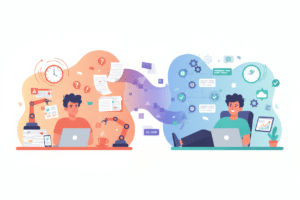
You know what? Small businesses are going through something pretty incredible right now. AI productivity tools have become more accessible and powerful than ever before, and honestly, it’s changing everything. In 2026, these smart solutions aren’t just fancy toys for big corporations anymore – they’re the difference between thriving and just getting by. Actually, 73% of small businesses are reporting better efficiency after bringing AI into their operations. So really, the question isn’t whether you should jump on this train, but which tools are going to give you the biggest bang for your buck.
I’ve been watching how the digital world has evolved, and it’s pretty amazing. Smart entrepreneurs are using cutting-edge AI to handle all those boring, repetitive tasks while making better decisions and growing their businesses without breaking the bank. Whether you’re running an online store, managing a creative agency, or operating any kind of service business, the right AI productivity tools can completely transform how you work and unlock potential you didn’t even know you had.
Here at ByteShop, we’ve seen firsthand how premium AI solutions are reshaping everything for small businesses. Our curated marketplace has become the go-to spot for professionals who want exclusive access to game-changing automation tools. Today, I want to share some insider knowledge to help you navigate this exciting world of AI-powered business solutions.
Why AI Productivity Tools Are Essential for Small Businesses in 2026

Look, the competitive landscape has completely shifted. Small businesses that aren’t embracing business automation are finding themselves way behind the curve. Recent studies show that companies using AI tools complete tasks 40% faster and cut operational costs by 35% compared to those still doing everything the old way. That’s not just a small advantage – that’s huge.
The Current State of AI Adoption
According to the 2026 Small Business Technology Report, 68% of SMBs have integrated at least one AI tool into their operations. That’s a 45% jump from just 2024! This rapid adoption is happening for some really compelling reasons:
- Cost Efficiency: AI tools eliminate the need for multiple software subscriptions and reduce manual labor costs
- Scalability: Automated processes can handle increased workload without additional hiring
- Competitive Advantage: AI-powered insights enable better decision-making and faster market response
- Customer Experience: Intelligent automation delivers personalized, 24/7 customer support
- Data-Driven Insights: Advanced analytics reveal hidden opportunities and optimization potential
Breaking Down the Barriers
The best part? The barriers that used to keep small businesses from accessing enterprise-level capabilities are basically gone now. Modern AI tools for SMBs come with user-friendly interfaces, affordable pricing, and easy integration that makes implementation straightforward even if you’re not particularly tech-savvy.
Top Categories of AI Productivity Tools Every Small Business Needs
Understanding what’s out there is crucial for making smart decisions about your tech stack. Let me break down the essential categories that are making the biggest impact for small businesses in 2026.
Customer Relationship Management (CRM) and Sales Automation
AI-powered CRM systems have completely revolutionized how small businesses manage customer relationships and drive sales. These smart platforms analyze how customers behave, predict what they might buy next, and automatically follow up to maximize conversions.
Key Features to Look For:
- Predictive lead scoring and qualification
- Automated email sequences and personalization
- Intelligent appointment scheduling and calendar management
- Real-time sentiment analysis for customer communications
- Advanced reporting and sales forecasting
Content Creation and Marketing Automation
Honestly, the content marketing world has been turned upside down by AI-powered creation tools. Small businesses can now produce high-quality blog posts, social media content, and marketing materials at scale without hiring expensive creative teams. It’s pretty incredible, actually.
| Tool Category | Primary Function | Time Savings | Cost Reduction |
|---|---|---|---|
| AI Writing Assistants | Content creation and editing | 70% | 60% |
| Social Media Automation | Post scheduling and engagement | 80% | 45% |
| Email Marketing AI | Campaign optimization | 65% | 50% |
| Visual Content Generators | Image and video creation | 85% | 75% |
Financial Management and Accounting
AI-driven financial tools are taking all the complexity and time-consuming work out of small business accounting. These solutions automatically sort transactions, generate reports, and give you insights to plan better financially. It’s like having a financial advisor built right into your software.
The Ultimate Guide to Selecting AI Productivity Tools for Your Business
Choosing the right productivity software requires a strategic approach that looks at your specific needs, budget, and growth goals. This framework will help you make smart decisions that actually deliver results.
Assessment Phase: Understanding Your Current Workflow
Before you start shopping for tools, you need to really understand how your business currently operates. Look for bottlenecks, repetitive tasks, and places where mistakes happen regularly. This assessment will show you where AI can make the biggest difference.
Key Questions to Ask:
- Which tasks consume the most time but add the least value?
- Where do errors most frequently occur in your processes?
- What manual processes could benefit from automation?
- Which areas of your business generate the most customer complaints?
- What data do you need but currently struggle to collect or analyze?
Budget Planning and ROI Calculation
Smart investment in AI productivity tools requires careful financial planning. You need to calculate what manual processes are actually costing you – including employee time, fixing errors, and missed opportunities. Then compare that against what AI solutions will cost, including subscriptions, training, and setup.
Integration and Compatibility Considerations
Making sure new AI tools work well with your existing systems is absolutely crucial. Look for solutions that offer good API connections, work naturally with popular platforms, and let you export your data easily if needed.
Top 10 AI Productivity Tools Transforming Small Businesses in 2026
Based on extensive research and real-world results, I’ve identified the most impactful AI solutions currently available for small businesses. Each tool has been evaluated for ease of use, ROI potential, and how well it scales with your business.
1. Intelligent Virtual Assistants
Advanced AI assistants can now handle complex business tasks like scheduling appointments, answering customer questions, and analyzing data. These tools work with your existing systems to provide 24/7 support without human help, which means happier customers and lower costs.
2. Automated Lead Generation Platforms
AI-powered lead generation tools dig through massive databases to find high-quality prospects based on your specific criteria. They automatically reach out to potential customers with personalized messages, which significantly boosts conversion rates while saving you tons of manual prospecting time.
lead generation tools have become essential for businesses looking to scale their sales operations efficiently.
3. Smart Inventory Management Systems
For e-commerce businesses, AI-driven inventory management prevents you from running out of stock or having too much sitting around. These systems analyze sales patterns, seasonal trends, and market conditions to automatically adjust when and how much you should reorder.
4. Predictive Analytics Dashboards
Business intelligence tools powered by machine learning turn your raw data into actionable insights. These dashboards predict customer behavior, spot market trends, and recommend strategic decisions based on comprehensive data analysis. It’s like having a crystal ball for your business.
5. Automated Customer Support Solutions
Modern chatbots and support automation tools handle up to 80% of routine customer inquiries without any human help. These systems learn from each interaction to provide better and more helpful responses, while passing complex issues to human agents when necessary.
Implementation Strategies: From Beginner to Advanced
Successful AI adoption requires a step-by-step approach that lets your team adjust gradually without disrupting your existing operations. This progressive strategy ensures maximum success and gets everyone on board.
Phase 1: Foundation Building (Weeks 1-4)
Start with simple, high-impact tools that don’t require much training or complex setup. Focus on automating the most time-consuming manual tasks that will show immediate benefits to your team.
Recommended Starting Points:
- Email automation and scheduling tools
- Basic chatbot implementation for website inquiries
- Automated social media posting and content scheduling
- Simple data backup and security monitoring
Phase 2: Process Optimization (Weeks 5-12)
Once your team is comfortable with basic automation, introduce more sophisticated tools that connect multiple business processes. This phase is all about creating smooth workflows that link different parts of your operation together.
no-code automation software solutions make it possible to create complex workflows without technical expertise, enabling small businesses to implement enterprise-level automation.
Phase 3: Advanced Intelligence (Weeks 13+)
The final phase brings in predictive analytics, machine learning algorithms, and advanced AI capabilities that provide strategic insights and help with decision-making. These tools transform your business from just reacting to problems to preventing them.
Real-World Success Stories: AI Productivity Tools in Action
Learning from actual examples gives you valuable insights into the real benefits and challenges of AI adoption. These case studies show measurable results from small businesses across different industries.
Case Study 1: E-commerce Store Automation Success
TechGadgets Plus, a small electronics retailer, implemented a comprehensive AI automation suite including inventory management, customer service, and marketing automation. Within six months, they achieved some pretty impressive results:
- 45% reduction in inventory carrying costs through predictive ordering
- 60% decrease in customer service response time via intelligent chatbots
- 35% increase in email marketing conversion rates using AI personalization
- 25% growth in overall revenue despite maintaining the same team size
The key to their success? They implemented everything gradually and made sure everyone on the team understood how to use the new tools effectively.
Case Study 2: Service Business Transformation
Digital Marketing Pro, a small agency with 12 employees, completely revolutionized their operations using AI-powered project management and client communication tools. Their transformation included:
- Automated project tracking and milestone reporting
- AI-generated client proposals and presentations
- Intelligent resource allocation and scheduling
- Predictive budget and timeline management
After 12 months, they saw 50% improvement in project delivery times and 40% increase in client satisfaction scores. This led to a 30% boost in repeat business and referrals. Not bad, right?
Cost-Benefit Analysis: Maximizing ROI from AI Investments
Understanding the financial impact of AI productivity tools is essential for making smart investment decisions. This analysis framework helps small businesses calculate true ROI and justify their technology spending.
Calculating Direct Cost Savings
Direct savings from AI usually come from reduced labor costs, eliminating redundant software, and fewer error-related expenses. The average small business saves $2,400 per employee annually through strategic AI automation. That adds up pretty quickly!
| Cost Category | Before AI | After AI | Monthly Savings |
|---|---|---|---|
| Manual Data Entry | $1,200 | $200 | $1,000 |
| Customer Service | $3,500 | $1,500 | $2,000 |
| Marketing Tasks | $2,800 | $800 | $2,000 |
| Report Generation | $800 | $100 | $700 |
Measuring Indirect Benefits
Beyond direct cost savings, AI tools deliver significant indirect benefits including improved customer satisfaction, faster decision-making, and better competitive positioning. These factors contribute to long-term business growth and market share expansion.
uptime monitoring tools exemplify how AI can prevent costly downtime and maintain business continuity, delivering ROI through risk mitigation rather than direct cost reduction.
Future-Proofing Your Business with AI Technology
The rapid evolution of AI technology requires forward-thinking when it comes to tool selection and implementation. Building a flexible, scalable automation setup ensures your business stays competitive as new capabilities emerge.
Emerging Trends to Watch
Several key trends are shaping the future of business automation and small business AI adoption:
- Conversational AI Evolution: Natural language interfaces are becoming more sophisticated, enabling voice-controlled business operations
- Edge AI Processing: Local AI processing reduces dependency on cloud services and improves response times
- Industry-Specific Solutions: Vertical AI tools tailored for specific business sectors are becoming more prevalent
- Ethical AI Frameworks: Transparency and bias prevention are becoming standard requirements
- Collaborative AI: Tools that enhance rather than replace human capabilities are gaining preference
Building Adaptable Systems
Future-proof your AI setup by choosing tools with open APIs, modular designs, and strong vendor support. This approach ensures you can adapt to new technologies without completely rebuilding your automation systems.
Common Pitfalls and How to Avoid Them
While AI adoption offers tremendous benefits, small businesses often run into predictable challenges that can derail success. Understanding these pitfalls and their solutions helps ensure smooth deployment and maximum value.
Over-Automation Syndrome
Many businesses try to automate everything at once, which leads to complex systems and team resistance. Start with high-impact, simple processes before expanding to more sophisticated automation. Trust me on this one!
Insufficient Training and Change Management
The most advanced AI tools for SMBs deliver minimal value if your team doesn’t know how to use them effectively. Invest in comprehensive training programs and provide ongoing support during the transition period.
Data Quality Neglect
AI systems need clean, accurate data to work properly. Establish data management protocols and regular quality checks to ensure your AI tools have reliable information for decision-making.
premium software solutions often include data cleaning and validation features that help maintain information quality automatically.
Security and Compliance Considerations
As AI tools become essential to business operations, security and regulatory compliance become critical concerns. Small businesses need to balance innovation with responsible data management and privacy protection.
Data Protection Best Practices
Implement strong security measures including encryption, access controls, and regular security audits. Choose AI vendors that demonstrate solid security credentials and compliance with relevant regulations like GDPR, CCPA, and industry-specific requirements.
Vendor Due Diligence
Thoroughly evaluate AI tool providers for financial stability, security practices, and long-term viability. Focus on vendors with transparent data handling policies and strong customer support.
According to Cybersecurity Ventures, businesses using AI tools report 23% fewer security incidents when proper vendor vetting and security protocols are implemented.
Integration Strategies for Maximum Efficiency
Successful AI implementation requires seamless integration with existing business systems and workflows. This strategic approach ensures maximum efficiency and user adoption while minimizing disruption to daily operations.
API-First Integration Approach
Focus on tools with robust API capabilities that enable custom integrations and data sync across platforms. This approach creates a unified technology ecosystem where information flows seamlessly between different systems.
digital downloads of integration guides and setup templates can accelerate implementation and reduce technical complexity for small business teams.
Workflow Optimization
Map your existing business processes before implementing AI tools to identify optimization opportunities. Design new workflows that leverage AI capabilities while keeping familiar user experiences for your team members.
Measuring Success: KPIs and Analytics
Establishing clear success metrics is essential for evaluating AI tool performance and justifying continued investment. These key performance indicators help track progress and identify areas for further optimization.
Essential Metrics to Track
- Time Savings: Measure hours saved through automation compared to manual processes
- Cost Reduction: Calculate direct and indirect cost savings from AI implementation
- Error Rates: Track accuracy improvements in automated processes
- Customer Satisfaction: Monitor customer feedback and satisfaction scores
- Revenue Impact: Measure revenue growth attributable to AI-enabled improvements
- Employee Productivity: Track output per employee before and after AI adoption
Continuous Improvement Framework
Set up regular review cycles to assess AI tool performance and identify optimization opportunities. This data-driven approach ensures your automation systems continue delivering maximum value as your business evolves.
Research from McKinsey & Company indicates that businesses with structured AI performance monitoring achieve 2.3x better results compared to those without formal measurement frameworks.
Getting Started: Your AI Implementation Roadmap
Transform your business with confidence using this step-by-step implementation guide. This practical roadmap ensures successful AI adoption while minimizing risks and maximizing returns on your technology investment.
Week 1-2: Assessment and Planning
- Conduct comprehensive workflow analysis
- Identify high-impact automation opportunities
- Set realistic budget and timeline expectations
- Research and shortlist potential AI tools
- Establish success metrics and KPIs
Week 3-4: Tool Selection and Procurement
- Request demos and trial periods from top vendors
- Evaluate integration requirements and compatibility
- Negotiate pricing and contract terms
- Finalize tool selection and purchase decisions
- Develop implementation timeline and resource allocation
AI tools available through ByteShop’s curated marketplace offer exclusive pricing and premium support to accelerate your implementation success.
Week 5-8: Implementation and Training
- Install and configure selected AI tools
- Integrate with existing business systems
- Conduct comprehensive team training sessions
- Establish data governance and security protocols
- Begin pilot testing with limited scope
Week 9-12: Optimization and Scaling
- Monitor performance metrics and user feedback
- Fine-tune configurations and workflows
- Expand automation to additional processes
- Document best practices and procedures
- Plan for advanced feature implementation
Frequently Asked Questions About AI Productivity Tools
What are the most cost-effective AI productivity tools for small businesses just starting out?
The most budget-friendly AI productivity tools for beginners include email automation platforms, basic chatbots, and social media scheduling tools. These solutions typically cost $20-50 per month and deliver immediate time savings while requiring minimal tech expertise to set up successfully.
How long does it typically take to see ROI from AI productivity tool implementation?
Most small businesses see measurable ROI within 3-6 months of implementing AI productivity tools. Simple automation tools like email marketing and scheduling software often show benefits within weeks, while more complex systems like predictive analytics may take 6-12 months to demonstrate full value.
Do I need technical expertise to implement AI tools in my small business?
Modern AI productivity tools are designed for non-technical users with intuitive interfaces and guided setup processes. While basic computer skills are helpful, most platforms offer comprehensive tutorials, customer support, and implementation assistance to ensure successful deployment without requiring programming knowledge.
What’s the difference between AI tools and traditional automation software?
AI tools use machine learning algorithms to adapt and improve performance over time, while traditional automation follows pre-programmed rules. AI systems can handle complex decision-making, learn from data patterns, and provide predictive insights that basic automation cannot deliver.
How do I ensure data security when using cloud-based AI productivity tools?
Ensure data security by choosing vendors with SOC 2 compliance, encryption protocols, and transparent privacy policies. Implement strong password policies, enable two-factor authentication, and regularly review access permissions. Focus on tools that offer data residency options and clear data deletion procedures.
Can AI productivity tools integrate with my existing business software?
Most modern AI productivity tools offer extensive integration capabilities through APIs, native connectors, and third-party platforms like Zapier. Before purchasing, verify that your chosen tools can connect with existing CRM, accounting, and project management systems to ensure seamless data flow.
What happens if an AI tool I’m using discontinues service or changes pricing?
Protect your business by choosing established vendors with strong financial backing and transparent communication policies. Maintain data export capabilities, avoid vendor lock-in through proprietary formats, and develop contingency plans including backup tool options for critical business processes.
How do I train my team to effectively use new AI productivity tools?
Implement structured training programs including hands-on workshops, documentation resources, and ongoing support sessions. Start with power users who can become internal champions, provide regular check-ins during the first month, and encourage experimentation in low-risk environments before full deployment.
Ready to transform your business with cutting-edge AI productivity tools? Discover ByteShop’s exclusive collection of premium automation solutions designed specifically for small businesses and entrepreneurs. Our curated marketplace offers instant access to the most innovative productivity tools with secure transactions and expert support.
premium accounts provide enhanced features and priority support to maximize your AI implementation success. Join thousands of successful businesses who have already revolutionized their operations with ByteShop’s premium digital solutions.
Don’t let your competitors gain the AI advantage – start your transformation today with ByteShop’s exclusive productivity tools and take your business to the next level!
Recommended Videos
AI productivity tools Best AI Productivity Tools for Small Businesses 2026
AI productivity tools Best AI Productivity Tools for Small Businesses 2026