
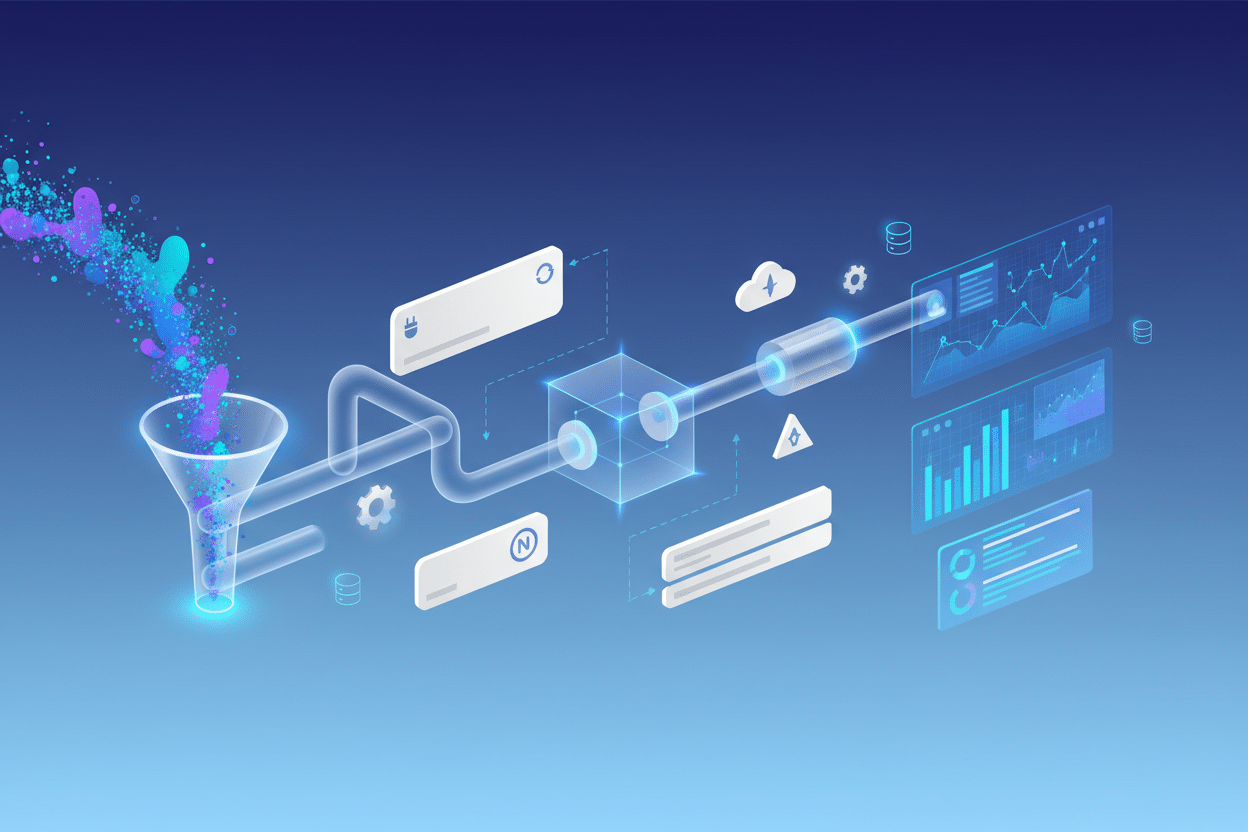
The Impact of No-Code Automation on Streamlining Data Collection: A Complete Guide
Table of Contents
• Introduction to No-Code Automation in Data Collection
• What is No-Code Automation?
• Traditional Data Collection Challenges
• How No-Code Tools Transform Data Collection
• Key Benefits of No-Code Data Collection Automation
• Popular No-Code Platforms for Data Collection
• Real-World Applications and Use Cases
• Implementation Best Practices
• Future Trends in No-Code Data Collection
• Conclusion
• Frequently Asked Questions
Remember when collecting data meant endless spreadsheets, manual entry, and countless hours of tedious work? 📊 Those days are rapidly becoming a distant memory, thanks to the revolutionary impact of no-code automation on data collection processes. As someone who’s witnessed this transformation firsthand, I can tell you that we’re living in an exciting era where anyone – regardless of their technical background – can create sophisticated data collection systems.
The digital landscape has evolved dramatically, and businesses are generating more data than ever before. Yet, many organizations still struggle with inefficient, time-consuming data collection methods that drain resources and limit growth potential. This is where no-code automation steps in as a game-changer, democratizing data collection and making it accessible to everyone from small business owners to enterprise-level operations.
What is No-Code Automation?
No-code automation represents a paradigm shift in how we approach technology solutions. Simply put, it’s a method of creating automated workflows and applications without writing a single line of code. Instead of relying on traditional programming languages, no-code platforms use visual interfaces, drag-and-drop functionality, and pre-built templates to help users build sophisticated systems.
Think of it as building with digital Lego blocks – you have all the pieces you need, and you just need to connect them in the right way to create something amazing. 🧱 The beauty lies in its simplicity and accessibility. You don’t need to understand complex programming concepts or spend years learning coding languages.
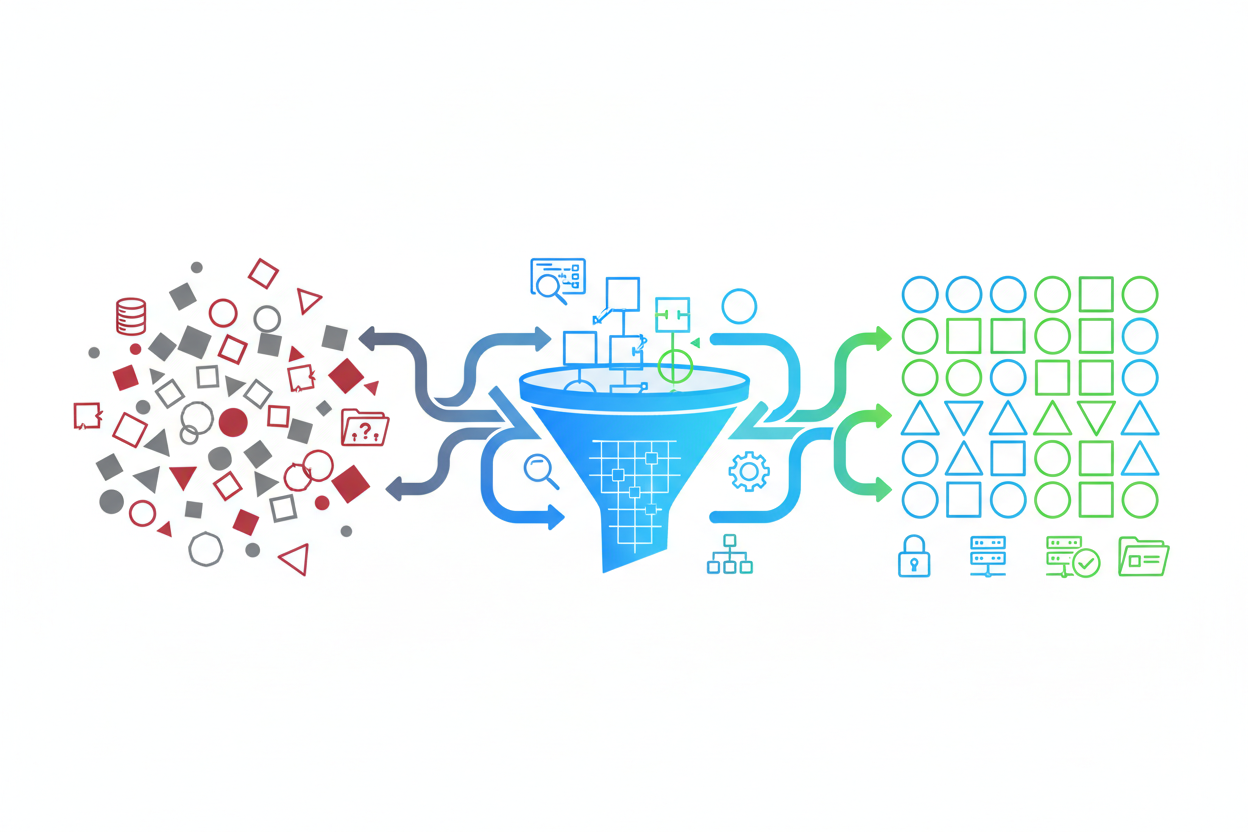
When applied to data collection, no-code automation enables businesses to create comprehensive data gathering systems that can automatically capture, process, and organize information from multiple sources. This includes everything from customer feedback forms and survey responses to social media metrics and website analytics.
Traditional Data Collection Challenges
Before diving into solutions, let’s acknowledge the pain points that have plagued data collection for years. Manual data collection processes are notorious for being resource-intensive and error-prone. I’ve seen countless businesses struggle with inconsistent data formats, human errors during data entry, and the sheer time investment required to gather meaningful insights.
One of the biggest challenges is data silos – information scattered across different platforms, departments, and systems with no unified way to bring it all together. This fragmentation makes it nearly impossible to get a complete picture of business performance or customer behavior.
Additionally, traditional methods often require significant technical expertise. Want to integrate your CRM with your email marketing platform? You’ll need a developer. Looking to automate survey data collection from multiple channels? That’s another technical project that could take weeks or months to implement.
The cost factor can’t be ignored either. Hiring developers, maintaining custom code, and dealing with system updates and bug fixes can quickly drain budgets, especially for smaller businesses that need efficient data collection but can’t justify the expense of custom development.
How No-Code Tools Transform Data Collection
No-code automation fundamentally changes the data collection game by putting power directly into the hands of business users. Instead of waiting for IT departments or external developers, teams can create and deploy data collection solutions in hours or days rather than weeks or months.
The transformation happens through several key mechanisms. First, visual workflow builders allow users to map out their data collection processes using intuitive interfaces. You can literally see how data flows from source to destination, making it easy to understand and modify processes as needed.
Integration capabilities are another game-changer. Modern no-code platforms come with hundreds of pre-built connectors that can link virtually any data source to any destination. Whether you’re pulling data from social media platforms, customer service tools, e-commerce systems, or IoT devices, there’s likely a connector that can handle it automatically.
Real-time processing is where things get really exciting. 🚀 Instead of batch processing data at the end of each day or week, no-code automation can capture and process information as it happens. This means you can respond to trends, issues, or opportunities much faster than traditional methods would allow.
Key Benefits of No-Code Data Collection Automation
The advantages of implementing no-code automation for data collection extend far beyond just saving time – though that’s certainly a significant benefit. Let me walk you through the most impactful advantages I’ve observed across different industries and business sizes.
Speed and agility top the list. When market conditions change or new data requirements emerge, businesses using no-code solutions can adapt their collection processes almost immediately. There’s no need to write new code, test extensively, or coordinate with multiple teams. You can modify workflows on the fly and see results instantly.
Cost reduction is another major advantage. By eliminating the need for custom development and ongoing maintenance, businesses can achieve significant savings. I’ve seen companies reduce their data collection costs by 60-80% after implementing no-code solutions, freeing up budget for other strategic initiatives.
Accuracy improvements are substantial as well. Automated data collection eliminates human error from manual entry processes. When data flows automatically from source systems to your analytics platforms, there’s no opportunity for typos, missed entries, or formatting inconsistencies that plague manual processes.
Perhaps most importantly, no-code automation democratizes data collection. Team members who understand business processes but lack technical skills can now create and manage sophisticated data collection systems. This means faster implementation, better alignment with business needs, and reduced dependency on technical resources.
Popular No-Code Platforms for Data Collection
The no-code ecosystem has exploded with platforms designed to address different aspects of data collection and automation. Each platform has its strengths, and choosing the right one depends on your specific needs, budget, and technical requirements.
Zapier stands out as one of the most user-friendly options for connecting different apps and automating data flows between them. It’s particularly effective for small to medium-sized businesses that need to integrate popular software tools without complex customization.
Microsoft Power Automate offers robust enterprise-level capabilities with deep integration into the Microsoft ecosystem. If your organization already uses Office 365 or other Microsoft products, Power Automate can be an excellent choice for comprehensive data collection automation.
Airtable combines database functionality with automation features, making it ideal for businesses that need both data storage and collection capabilities in one platform. Its spreadsheet-like interface makes it particularly accessible to users who are comfortable with Excel but need more powerful automation features.
For more complex scenarios, platforms like Bubble or Webflow can help create custom data collection applications without coding, though these require a steeper learning curve compared to simpler automation tools.
Real-World Applications and Use Cases
The practical applications of no-code data collection automation are virtually limitless, spanning across industries and business functions. Let me share some compelling examples that illustrate the transformative potential of these tools.
In e-commerce, businesses are using no-code automation to collect customer behavior data from multiple touchpoints – website interactions, email engagement, social media activity, and purchase history – then automatically consolidate this information to create comprehensive customer profiles. This enables personalized marketing campaigns and improved customer experiences without requiring extensive technical resources.
Healthcare organizations are leveraging no-code solutions to streamline patient data collection from various sources including wearable devices, patient portals, and electronic health records. This automated approach not only improves data accuracy but also enables real-time monitoring and faster response to patient needs. 🏥
Educational institutions are transforming how they collect and analyze student performance data. Instead of manually compiling grades, attendance records, and engagement metrics from different systems, automated workflows can aggregate this information and generate insights about student progress and intervention needs.
Manufacturing companies are using no-code automation to collect operational data from IoT sensors, quality control systems, and production line equipment. This real-time data collection enables predictive maintenance, quality improvements, and operational efficiency gains that would be difficult to achieve with manual monitoring processes.
Implementation Best Practices
Successfully implementing no-code data collection automation requires more than just selecting the right platform – it demands thoughtful planning and strategic execution. Based on my experience helping organizations through this transition, here are the essential practices that separate successful implementations from those that struggle.
Start small and scale gradually. The temptation to automate everything at once is understandable, but it often leads to overwhelming complexity and potential failures. Begin with one or two high-impact, low-complexity data collection processes. Master these before expanding to more sophisticated scenarios.
Data mapping and standardization are crucial early steps. Before implementing any automation, clearly define what data you need, where it comes from, and how it should be formatted in your destination systems. This upfront planning prevents headaches later when you discover data inconsistencies or missing information.
Security and compliance considerations can’t be an afterthought. Even though you’re not writing code, you’re still handling potentially sensitive data. Ensure that your chosen no-code platform meets your organization’s security requirements and compliance standards. This is particularly important for businesses in regulated industries like healthcare or finance.
Testing and monitoring protocols should be established from day one. Automated systems can fail or produce unexpected results, so having mechanisms to detect and address issues quickly is essential. Set up alerts for data quality problems, missing information, or system failures.
Future Trends in No-Code Data Collection
The no-code automation landscape continues evolving at a rapid pace, with exciting developments that will further streamline data collection processes. Artificial intelligence integration is becoming increasingly sophisticated, enabling platforms to automatically suggest optimizations, detect anomalies, and even predict data collection needs based on usage patterns.
Edge computing capabilities are expanding, allowing data collection and initial processing to happen closer to data sources. This reduces latency and bandwidth requirements while enabling real-time insights even in environments with limited connectivity. 🌐
Natural language processing is making no-code platforms even more accessible. Instead of building workflows through visual interfaces, users will soon be able to describe their data collection needs in plain English, and AI will automatically create the necessary automation workflows.
Industry-specific templates and solutions are becoming more prevalent. Rather than starting from scratch, businesses will have access to pre-built data collection workflows tailored to their specific industry requirements, dramatically reducing implementation time and complexity.
Conclusion
The impact of no-code automation on data collection represents more than just a technological advancement – it’s a fundamental shift that democratizes access to sophisticated data management capabilities. We’ve moved from a world where effective data collection required significant technical expertise and resources to one where anyone can create powerful, automated systems in a matter of hours.
This transformation is enabling businesses of all sizes to make data-driven decisions faster and more accurately than ever before. The barriers that once prevented small businesses from competing with larger organizations in terms of data capabilities are rapidly disappearing.
As we look toward the future, the continued evolution of no-code platforms promises even greater accessibility and functionality. The organizations that embrace these tools now will be best positioned to leverage the enhanced capabilities that are coming.
The question isn’t whether no-code automation will transform your data collection processes – it’s how quickly you can implement these solutions to gain a competitive advantage. The time to start is now, and the potential for transformation is limited only by your imagination and business needs.
Frequently Asked Questions
Q: Do I need any technical skills to use no-code automation for data collection?
A: No, that’s the beauty of no-code platforms! They’re designed for business users without programming experience. If you can use spreadsheet software or basic computer applications, you can learn to use most no-code automation tools. Most platforms offer intuitive drag-and-drop interfaces and extensive documentation to help you get started.
Q: How secure is data collected through no-code automation platforms?
A: Security levels vary by platform, but reputable no-code automation tools implement enterprise-grade security measures including encryption, access controls, and compliance certifications. Always review the security documentation of any platform you’re considering and ensure it meets your organization’s requirements.
Q: Can no-code automation handle large volumes of data?
A: Yes, many no-code platforms are designed to scale with your business needs. However, processing capabilities and pricing tiers vary significantly between platforms. For high-volume scenarios, evaluate the platform’s performance specifications and consider enterprise-level solutions that offer enhanced processing power.
Q: What happens if the no-code platform I choose goes out of business?
A: This is a valid concern that highlights the importance of choosing established platforms with strong financial backing. Most reputable platforms offer data export capabilities, allowing you to migrate your information if needed. Consider this factor when evaluating platforms and have a backup plan for critical data collection processes.
Q: How much can I expect to save by implementing no-code data collection automation?
A: Savings vary depending on your current processes and chosen solution, but many businesses report 60-80% reductions in data collection costs. This includes savings from reduced manual labor, faster implementation times, and eliminated custom development expenses. The exact savings depend on your specific situation and automation complexity.
Q: Can no-code automation integrate with my existing business systems?
A: Most modern no-code platforms offer extensive integration capabilities with popular business applications including CRMs, email marketing tools, databases, and cloud storage services. Before selecting a platform, verify that it can connect to your critical systems or offers APIs for custom integrations if needed.
Click Here For More Details