How to Use No-Code Tools for Improved Event Coordination: A Complete Guide to Streamlining Your Events
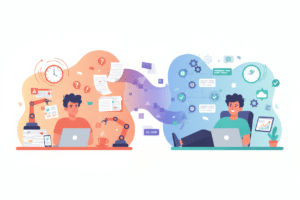
Picture this: you’re juggling vendor contracts, attendee registrations, venue logistics, and marketing campaigns for your upcoming event. Sound overwhelming? You’re not alone. Event coordination has always been a complex dance of moving parts, but here’s the game-changer – no-code tools are revolutionizing how we plan and execute events. 🎯
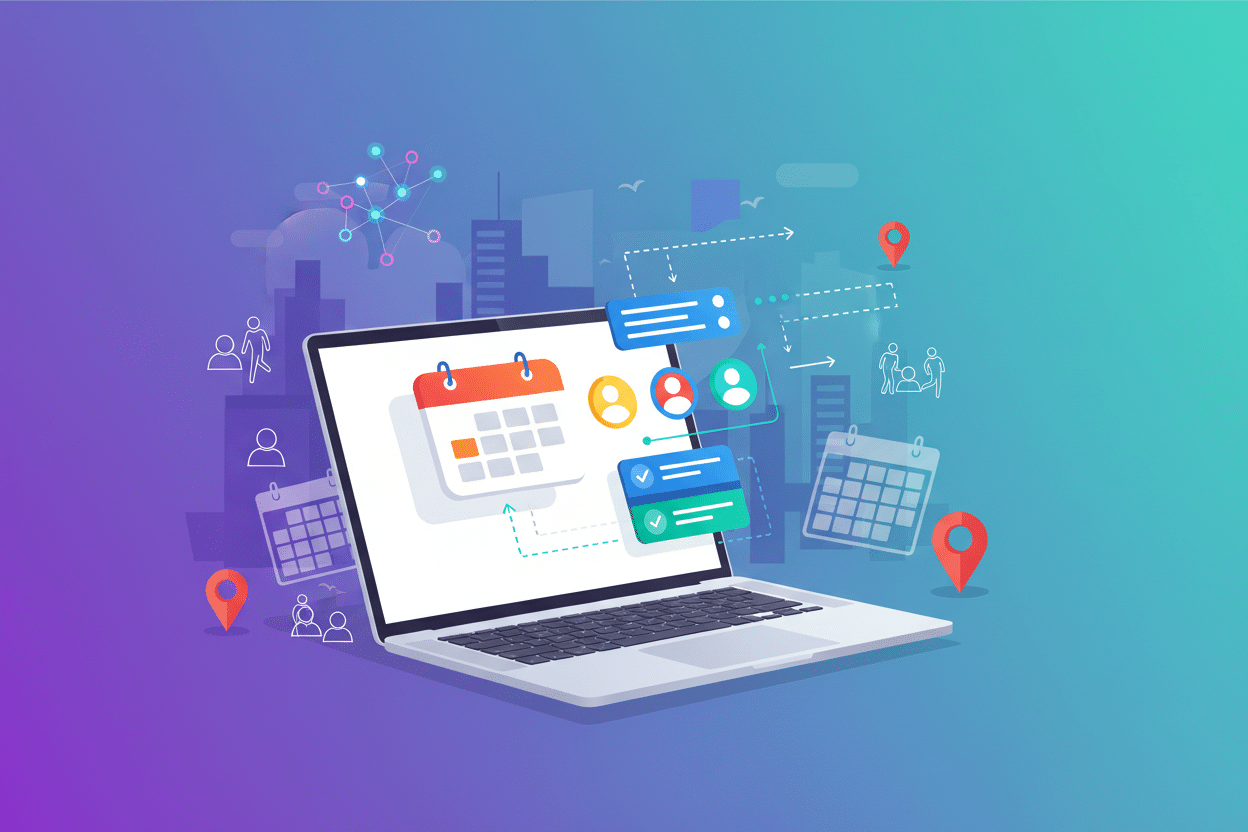
Gone are the days when you needed a computer science degree to create sophisticated event management systems. Today’s no-code platforms empower anyone to build custom solutions that streamline every aspect of event coordination, from initial planning to post-event follow-up. Whether you’re organizing a small workshop or a large conference, these tools can transform your chaotic spreadsheets into elegant, automated workflows.
Table of Contents
• Understanding No-Code Tools for Event Management
• Essential No-Code Platforms for Event Coordinators
• Building Your Event Registration System
• Automating Event Marketing and Communication
• Managing Vendors and Logistics with No-Code
• Real-Time Event Tracking and Analytics
• Post-Event Follow-Up and Feedback Collection
• Best Practices for No-Code Event Coordination
• Common Challenges and Solutions
• FAQs
Understanding No-Code Tools for Event Management
No-code tools are visual development platforms that allow you to create applications, workflows, and databases without writing a single line of code. Think of them as digital LEGO blocks – you simply drag, drop, and connect components to build exactly what you need. 🧱
For event coordinators, this means you can create custom registration forms, automated email sequences, vendor management systems, and real-time dashboards without relying on expensive developers or IT departments. The beauty lies in the flexibility – you can adapt and modify your systems as your event requirements evolve.
The impact on event coordination is profound. Instead of juggling multiple disconnected tools and manual processes, you can create integrated systems that talk to each other, reducing errors and saving countless hours of administrative work.
Essential No-Code Platforms for Event Coordinators
Let’s explore the powerhouse platforms that are transforming event coordination. Airtable stands out as a fantastic starting point – it’s like a supercharged spreadsheet that can handle complex relationships between attendees, venues, and vendors. You can create linked databases that automatically update when information changes, ensuring everyone stays on the same page.
Zapier acts as the central nervous system of your event coordination setup. It connects different apps and automates workflows, so when someone registers for your event in one platform, their information automatically flows to your email marketing tool, CRM, and analytics dashboard.
For form creation and data collection, Typeform and Google Forms offer intuitive interfaces that make registration a breeze for attendees. Meanwhile, platforms like Notion provide comprehensive workspace solutions where you can manage everything from vendor contracts to event timelines in one centralized location.
Bubble and Webflow take things to the next level if you need a custom event website or attendee portal. These platforms let you build professional, responsive websites without touching code, complete with payment processing and user authentication.
Building Your Event Registration System
Creating an effective registration system is often the first touchpoint between your event and potential attendees, so it needs to be smooth and professional. Start by mapping out your registration flow – what information do you need, what payment options will you offer, and how will you handle different ticket types? 🎫
Using a no-code form builder, create a multi-step registration process that doesn’t overwhelm users. Break complex forms into digestible sections: personal information, ticket selection, dietary preferences, and payment. This approach significantly improves completion rates compared to long, single-page forms.
Integration is key here. Connect your registration form to a database (like Airtable) that automatically organizes attendee information, triggers confirmation emails, and updates your event capacity in real-time. Set up conditional logic so that different attendee types see relevant questions – VIP guests might see networking preference options that general attendees don’t need.
Don’t forget about the confirmation experience. Use automation tools to send immediate confirmation emails with event details, calendar invites, and next steps. This immediate response builds confidence and reduces support inquiries.
Automating Event Marketing and Communication
Consistent communication keeps your event top-of-mind and ensures smooth execution. No-code automation can transform your marketing from a time-consuming manual process into a well-oiled machine that runs itself. 📧
Start by creating email sequences that nurture registrants from sign-up to event day. Use platforms like Mailchimp or ConvertKit, connected through Zapier to your registration database. Set up automated emails for immediate confirmation, one week before the event (with logistics details), one day before (with final reminders), and day-of (with check-in information).
Social media promotion becomes effortless with tools like Buffer or Later. Create your content calendar in Airtable, then use automation to publish posts across multiple platforms at optimal times. Include countdown posts, speaker spotlights, and behind-the-scenes content to build excitement.
For personalized communication, segment your audience based on registration data. VIP attendees might receive exclusive content, while first-time attendees get orientation information. This targeted approach increases engagement and makes attendees feel valued.
Managing Vendors and Logistics with No-Code
Vendor management often involves juggling contracts, payment schedules, delivery timelines, and communication with multiple parties. A well-designed no-code system can bring order to this complexity and prevent costly oversights. 🤝
Create a comprehensive vendor database in Airtable with linked records for contracts, payments, and deliverables. Set up automated reminders for contract deadlines, payment due dates, and delivery confirmations. This proactive approach prevents last-minute scrambling and maintains professional relationships.
Use project management tools like Notion or Monday.com to create visual timelines that show how vendor deliverables intersect with your event timeline. When the caterer needs final headcount numbers, when the AV team requires technical specifications, when decorators need venue access – having these dependencies mapped out prevents bottlenecks.
Communication tracking becomes crucial when working with multiple vendors. Create automated workflows that log all vendor communications, ensuring nothing falls through the cracks. Set up shared portals where vendors can access event information, submit required documentation, and receive updates without constant back-and-forth emails.
Real-Time Event Tracking and Analytics
During your event, real-time visibility into key metrics can mean the difference between smooth operations and crisis management. No-code dashboards give you instant access to critical information without technical complexity. 📊
Build live dashboards using tools like Google Data Studio or Retool that pull information from your various systems. Track registration numbers, check-in rates, session attendance, and vendor status in real-time. This visibility allows for quick decision-making when issues arise.
For on-site coordination, create mobile-friendly interfaces that your team can access from smartphones or tablets. Include contact information for all vendors, emergency procedures, timeline updates, and task assignments. When everyone has access to the same real-time information, coordination becomes seamless.
Set up automated alerts for critical thresholds – when registration reaches capacity, when check-in queues get too long, or when vendor deliveries are delayed. These proactive notifications help you address issues before they impact the attendee experience.
Post-Event Follow-Up and Feedback Collection
The event doesn’t end when the last attendee leaves – post-event activities are crucial for relationship building and future improvement. Automated follow-up sequences ensure you capitalize on the momentum while the experience is fresh in attendees’ minds. ✨
Design feedback surveys that are engaging and actionable. Use conditional logic to ask relevant questions based on attendee behavior – session attendees get different questions than networking-only participants. Keep surveys short but comprehensive, focusing on specific aspects you can improve for future events.
Create automated thank-you sequences that include event highlights, presentation downloads, networking contact sharing, and information about future events. Segment these communications based on attendee engagement – highly engaged participants might receive early-bird offers for your next event.
Use the collected feedback to automatically update your event planning database with lessons learned, successful strategies, and areas for improvement. This creates an evolving knowledge base that makes each subsequent event better than the last.
Best Practices for No-Code Event Coordination
Success with no-code tools requires strategic thinking and careful implementation. Start small and scale gradually – don’t try to automate everything at once. Begin with your most time-consuming manual processes and build from there. 🚀
Data consistency is crucial when connecting multiple platforms. Establish naming conventions, data formats, and field requirements before building your systems. This prevents integration headaches and ensures smooth data flow between tools.
Always have backup plans for critical processes. While no-code tools are generally reliable, having manual alternatives for essential functions like check-in or payment processing provides peace of mind during events.
Regular testing is non-negotiable. Test your automation workflows, form submissions, and integrations well before your event. Include your team in testing scenarios to identify potential issues and ensure everyone understands how the systems work.
Common Challenges and Solutions
Even with the best planning, you’ll encounter challenges when implementing no-code solutions. Data synchronization issues between platforms are common – solve this by designating one system as your “source of truth” and ensuring all other platforms pull data from there rather than creating multiple data entry points.
User adoption can be challenging when team members are comfortable with existing processes. Provide adequate training and highlight how the new systems make their jobs easier rather than more complicated. Start with enthusiastic early adopters who can become champions for the new tools.
Platform limitations may require creative workarounds or hybrid solutions. When a single no-code tool can’t handle all your requirements, consider combining multiple platforms or maintaining some manual processes for edge cases.
Conclusion
No-code tools are democratizing event coordination, putting powerful capabilities in the hands of every event planner regardless of technical background. By automating routine tasks, improving communication, and providing real-time visibility, these platforms free you to focus on what matters most – creating memorable experiences for your attendees.
The key to success lies in thoughtful implementation, starting with your biggest pain points and gradually building more sophisticated systems. As you become comfortable with basic automation, you can explore advanced integrations and custom solutions that truly differentiate your events.
Remember, technology should enhance your event coordination, not complicate it. Choose tools that align with your workflow, invest time in proper setup, and always keep the attendee experience at the center of your decisions. With no-code tools in your arsenal, you’re well-equipped to create events that run smoothly and leave lasting impressions. 🎉
Frequently Asked Questions
What’s the learning curve like for no-code event coordination tools?
Most no-code platforms are designed for non-technical users and can be learned within a few hours to a few days. Start with simpler tools like Google Forms or Zapier, then progress to more complex platforms like Airtable or Bubble as your confidence grows.
How much can I save by using no-code tools instead of hiring developers?
Cost savings vary depending on your needs, but many event coordinators report saving thousands of dollars per event by avoiding custom development. Most no-code tools cost between $10-100 per month, compared to thousands for custom development.
Can no-code tools handle large-scale events with thousands of attendees?
Yes, many no-code platforms can scale to handle large events. However, you may need to upgrade to higher-tier plans or combine multiple tools. Always test your systems at expected capacity before your event.
What happens if a no-code platform goes down during my event?
This is why backup plans are essential. Maintain offline copies of critical information like attendee lists and vendor contacts. Many platforms offer 99.9% uptime guarantees, but having contingencies ensures smooth operations regardless.
How do I ensure data security when using multiple no-code platforms?
Choose reputable platforms with strong security certifications (SOC 2, GDPR compliance). Use secure connection methods, limit access permissions, and regularly audit who has access to sensitive information. Most established no-code platforms have enterprise-grade security measures.
Click Here For More Details