The Impact of No-Code Automation on Enhancing Customer Personalization 🚀
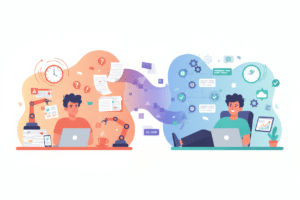
Remember the last time you received an email that felt like it was written specifically for you? Or when a website seemed to magically show you exactly what you were looking for? That’s the power of customer personalization at work. But here’s what many businesses don’t realize – you don’t need a team of developers or a massive budget to create these magical moments for your customers.
Welcome to the world of no-code automation, where creating personalized customer experiences is as simple as dragging and dropping. It’s revolutionizing how businesses connect with their audience, and honestly, it’s about time. Let’s dive into how this technology is changing the game and why your business can’t afford to ignore it.
Table of Contents 📋
Understanding No-Code Automation in Customer Experience
The Current State of Customer Personalization
How No-Code Tools Are Breaking Down Barriers
Real-World Applications of No-Code Personalization
Benefits of No-Code Automation for Customer Personalization
Popular No-Code Platforms for Customer Personalization
Implementation Strategies and Best Practices
Challenges and Limitations to Consider
Future Trends in No-Code Customer Personalization
Getting Started with No-Code Personalization
Frequently Asked Questions
Understanding No-Code Automation in Customer Experience 🔧
No-code automation is exactly what it sounds like – creating automated processes without writing a single line of code. Think of it as building with digital LEGO blocks instead of constructing from raw materials. These platforms use visual interfaces, drag-and-drop functionality, and pre-built templates to help businesses automate complex workflows.
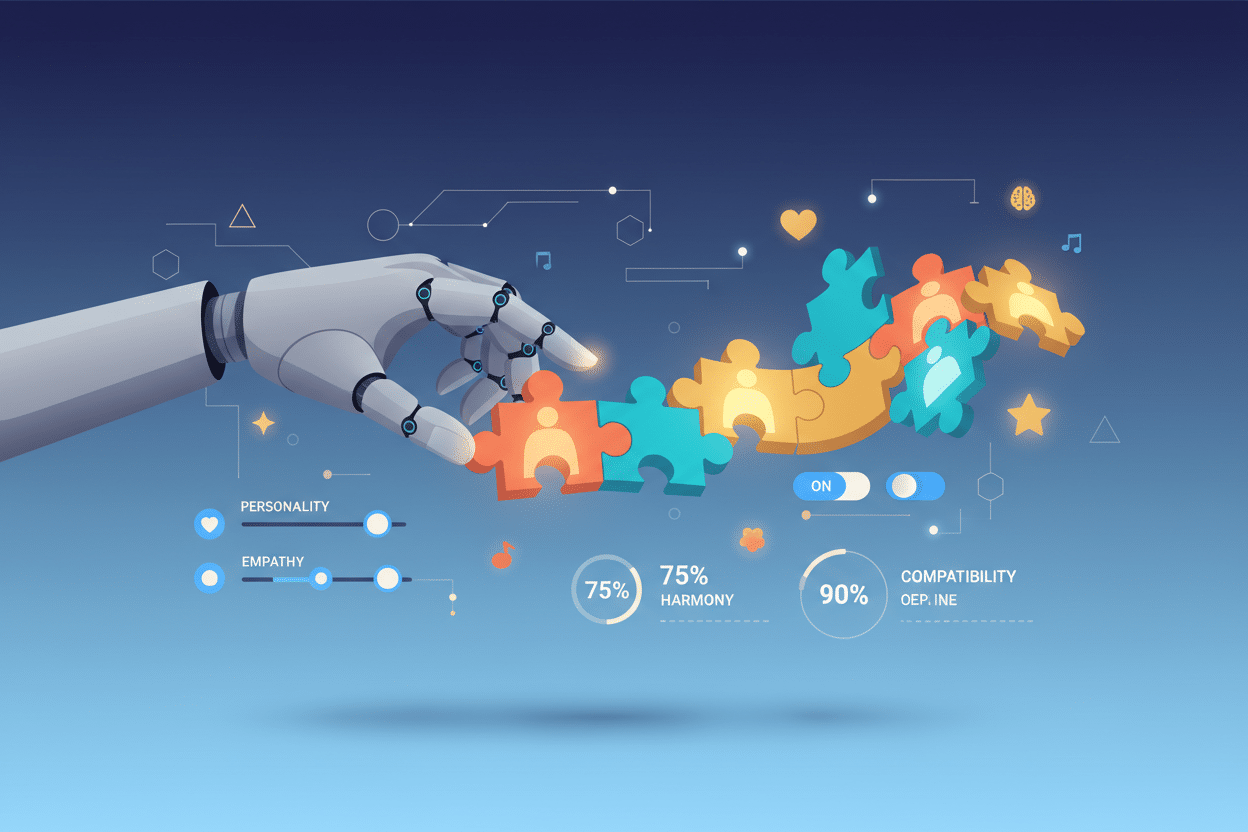
When it comes to customer personalization, no-code automation acts as the bridge between your customer data and meaningful, tailored experiences. It’s like having a personal assistant who never sleeps, constantly analyzing customer behavior and delivering the right message at the right time to the right person.
The beauty lies in its accessibility. You don’t need to be a coding wizard or hire expensive developers. A marketing manager, customer service representative, or small business owner can set up sophisticated personalization campaigns in hours, not months.
The Current State of Customer Personalization 📊
Let’s be honest – customer expectations have skyrocketed. Today’s consumers expect brands to understand their preferences, anticipate their needs, and deliver relevant experiences across every touchpoint. It’s no longer a nice-to-have; it’s a must-have for survival in competitive markets.
Statistics tell a compelling story. Companies that excel at personalization generate 40% more revenue than their competitors. Yet, many businesses struggle with implementation due to technical barriers, resource constraints, and the complexity of traditional personalization tools.
Traditional personalization often required extensive development work, complex integrations, and significant ongoing maintenance. This created a divide between large enterprises with substantial tech budgets and smaller businesses that couldn’t afford such investments. No-code automation is leveling this playing field dramatically.
How No-Code Tools Are Breaking Down Barriers 🚧
The democratization of personalization technology is perhaps the most significant impact of no-code automation. Previously, creating personalized customer experiences was like building a house – you needed architects, contractors, and specialized craftsmen. Now, it’s more like assembling furniture with clear instructions and all the necessary tools included.
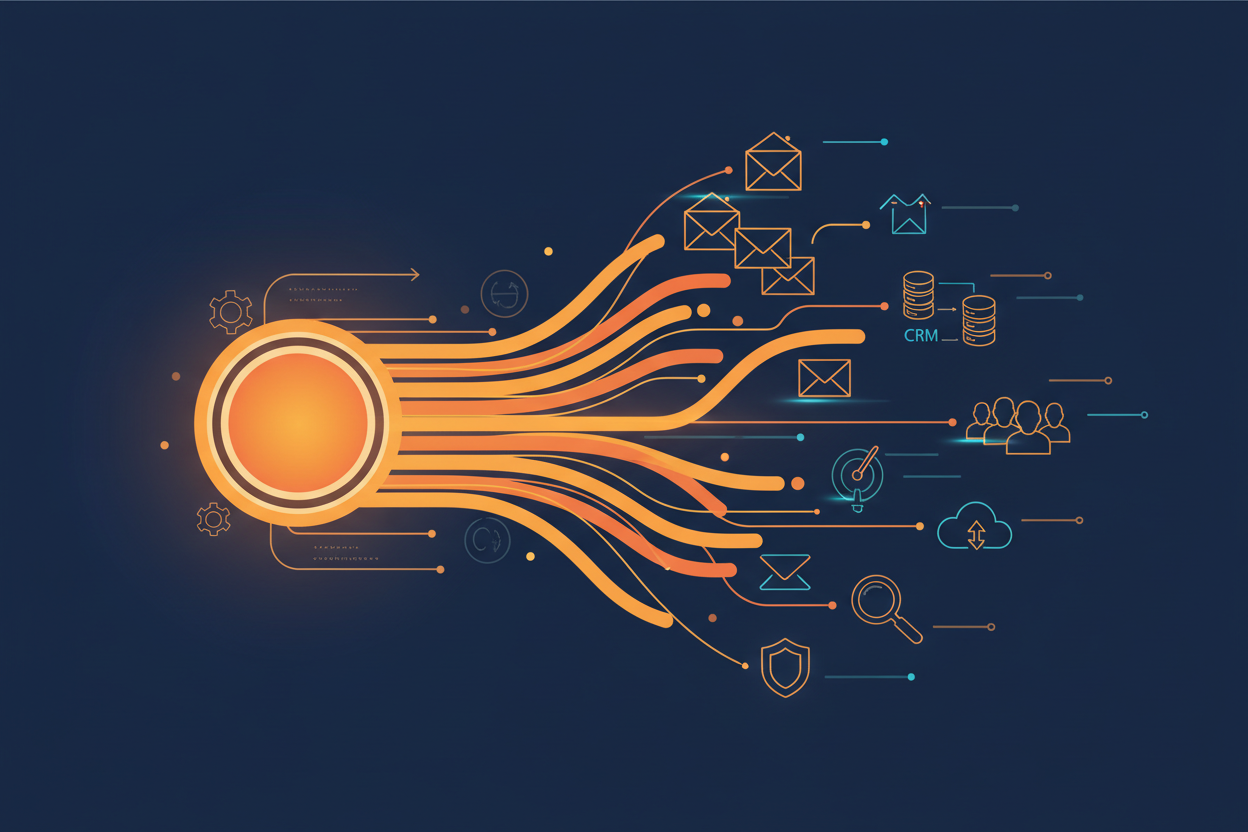
No-code platforms eliminate technical barriers by providing intuitive interfaces that anyone can learn. They offer pre-built integrations with popular tools like CRM systems, email platforms, and analytics software. This means you can connect your existing tech stack without hiring integration specialists.
Speed is another game-changer. What once took months of development can now be accomplished in days or even hours. This rapid deployment capability allows businesses to test, iterate, and optimize their personalization strategies in real-time, responding quickly to changing customer behaviors and market conditions.
Real-World Applications of No-Code Personalization ⚡
The practical applications of no-code automation in customer personalization are virtually limitless. Let me share some examples that showcase the versatility and power of these tools.
Email marketing personalization has become incredibly sophisticated. No-code platforms can automatically segment customers based on behavior, purchase history, and engagement patterns. They can trigger personalized email sequences when customers abandon carts, celebrate birthdays, or reach specific milestones in their customer journey.
Website personalization is another area where no-code tools shine. Imagine visitors seeing different content, product recommendations, or special offers based on their location, previous visits, or referral source. This level of customization was once the exclusive domain of enterprise-level solutions.
Social media automation has evolved beyond simple post scheduling. No-code tools can now personalize social media interactions, automatically respond to comments with relevant information, and even create custom audiences for targeted advertising based on complex behavioral triggers.
Benefits of No-Code Automation for Customer Personalization 💎
The advantages of implementing no-code automation for customer personalization extend far beyond cost savings, though that’s certainly a significant factor. Let’s explore the comprehensive benefits that make this approach so compelling.
Accessibility stands out as the primary benefit. Small businesses can now implement the same level of personalization as Fortune 500 companies. This democratization means that your local coffee shop can deliver personalized experiences that rival those of major retail chains.
Speed of implementation cannot be overstated. Traditional development cycles for personalization features often span months. No-code solutions compress this timeline dramatically, allowing businesses to launch personalized campaigns within days of conception. This agility is crucial in today’s fast-moving market environment.
Cost-effectiveness makes personalization accessible to businesses with limited budgets. Instead of hiring developers, purchasing expensive software licenses, and maintaining complex systems, businesses can achieve sophisticated personalization with subscription-based no-code tools that cost a fraction of traditional solutions.
Flexibility and iteration capabilities empower businesses to experiment and optimize continuously. When you can modify campaigns without technical dependencies, you can respond to customer feedback, test new approaches, and refine strategies based on real-world performance data.
Popular No-Code Platforms for Customer Personalization 🛠️
The no-code ecosystem has exploded with platforms specifically designed to enhance customer personalization. Each platform brings unique strengths and capabilities to the table.
Zapier leads the automation space with its extensive integration capabilities. It connects thousands of applications, enabling businesses to create complex personalization workflows that span multiple platforms. From triggering personalized emails based on CRM updates to updating customer profiles across various tools, Zapier makes it simple.
HubSpot’s automation features provide comprehensive customer journey mapping and personalization tools. Its visual workflow builder allows marketers to create sophisticated nurture sequences that adapt based on customer behavior and preferences.
Mailchimp has evolved beyond email marketing to offer robust automation and personalization features. Its customer journey builder enables businesses to create multi-channel personalization campaigns that span email, social media, and website interactions.
Bubble focuses on web application development without code, allowing businesses to create fully personalized web experiences. Its visual programming interface enables the creation of dynamic, data-driven applications that adapt to individual user preferences.
Implementation Strategies and Best Practices 📈
Successfully implementing no-code automation for customer personalization requires strategic thinking and careful planning. It’s not just about the technology; it’s about understanding your customers and designing experiences that truly add value.
Start with clear objectives. Define what personalization means for your business and customers. Are you trying to increase conversion rates, improve customer satisfaction, or reduce churn? Clear goals will guide your automation strategy and help you measure success.
Data quality forms the foundation of effective personalization. Before implementing automation, ensure your customer data is clean, organized, and accessible. No-code tools are powerful, but they can only work with the data you provide them.
Begin with simple automations and gradually increase complexity. Start with basic email personalization or simple website customizations. As you gain confidence and see results, expand to more sophisticated multi-channel campaigns.
Always prioritize customer value over technical capabilities. Just because you can automate something doesn’t mean you should. Focus on automations that genuinely improve the customer experience rather than showcasing technical prowess.
Challenges and Limitations to Consider ⚠️
While no-code automation offers tremendous opportunities, it’s important to understand its limitations and potential challenges. Being aware of these factors will help you make informed decisions and set realistic expectations.
Scalability can become an issue as your business grows. No-code platforms typically handle small to medium-scale operations well, but extremely high-volume or complex requirements might eventually require custom development solutions.
Data security and privacy concerns require careful consideration. When using third-party no-code platforms, you’re entrusting customer data to external providers. Ensure these platforms comply with relevant regulations like GDPR and have robust security measures in place.
Platform dependency creates potential risks. Building your personalization strategy entirely on third-party no-code tools means you’re subject to their pricing changes, feature modifications, or potential service discontinuation.
Limited customization compared to custom-coded solutions might restrict highly specific or unique requirements. While no-code platforms are increasingly sophisticated, they may not accommodate every possible personalization scenario.
Future Trends in No-Code Customer Personalization 🔮
The future of no-code automation in customer personalization looks incredibly promising. Emerging trends suggest we’re only scratching the surface of what’s possible.
Artificial intelligence integration is becoming more prevalent in no-code platforms. AI-powered personalization engines can analyze customer behavior patterns and automatically optimize campaigns without human intervention. This means smarter, more effective personalization with less manual effort.
Cross-platform orchestration is evolving to provide seamless experiences across all customer touchpoints. Future no-code tools will likely offer more sophisticated omnichannel capabilities, ensuring consistent personalization whether customers interact via email, social media, website, or mobile app.
Real-time personalization capabilities are advancing rapidly. Instead of batch processing customer data, future platforms will enable instant personalization based on live customer actions and behaviors.
Voice and conversational interfaces are beginning to integrate with no-code platforms, opening new possibilities for personalized customer interactions through chatbots, voice assistants, and interactive experiences.
Getting Started with No-Code Personalization 🚀
Ready to transform your customer personalization strategy? Here’s a practical roadmap to get you started with no-code automation.
Assess your current customer data and touchpoints. Understanding what information you have about your customers and where you interact with them will help you identify the best opportunities for personalization.
Choose a platform that aligns with your specific needs and technical comfort level. Start with free trials or basic plans to test functionality before committing to more comprehensive solutions.
Design your first automation workflow focusing on a specific customer journey or pain point. Keep it simple but meaningful – perhaps a welcome series for new subscribers or a re-engagement campaign for inactive customers.
Test thoroughly before launching. Use test data and internal team members to validate your automation workflows. Check for errors, ensure proper data flow, and verify that the customer experience meets your expectations.
Monitor performance closely and iterate based on results. No-code automation makes it easy to modify and improve your personalization efforts, so take advantage of this flexibility to continuously optimize your campaigns.
Conclusion 🎯
No-code automation has fundamentally changed the personalization game, making sophisticated customer experiences accessible to businesses of all sizes. It’s not just a technological advancement; it’s a democratization of customer engagement capabilities that levels the playing field between small startups and enterprise giants.
The impact extends beyond cost savings and technical accessibility. No-code automation enables businesses to be more responsive, creative, and customer-focused in their personalization efforts. It removes the barriers that previously prevented many companies from delivering the tailored experiences customers expect.
As we look toward the future, the integration of AI, real-time processing, and omnichannel orchestration will only enhance the power of no-code personalization tools. The businesses that embrace these technologies today will be best positioned to meet evolving customer expectations tomorrow.
The question isn’t whether you should explore no-code automation for customer personalization – it’s how quickly you can get started. Your customers are waiting for more personalized experiences, and the tools to deliver them have never been more accessible. The time to act is now.
Frequently Asked Questions ❓
What is no-code automation in customer personalization? No-code automation refers to using visual, drag-and-drop tools to create personalized customer experiences without writing code. These platforms enable businesses to automate marketing campaigns, customize website content, and deliver tailored communications based on customer data and behavior.
How much does no-code personalization cost compared to traditional development? No-code solutions typically cost 60-80% less than custom development. While traditional personalization projects might require $50,000-$200,000+ in development costs, no-code platforms often operate on monthly subscription models ranging from $50-$500+ depending on features and scale.
Can small businesses really compete with large enterprises using no-code tools? Absolutely. No-code platforms provide small businesses access to the same personalization capabilities that were once exclusive to large enterprises. The main differentiator becomes strategy and execution rather than technical resources or budget size.
What are the main limitations of no-code personalization platforms? Key limitations include potential scalability constraints for very high-volume operations, dependency on third-party platforms, possible data security considerations, and less customization flexibility compared to fully custom-coded solutions.
How long does it take to implement no-code personalization? Implementation timelines vary based on complexity, but simple personalization workflows can be set up in hours or days. More comprehensive multi-channel campaigns typically take 1-4 weeks to implement and optimize, compared to months for traditional development approaches.
Do I need technical skills to use no-code personalization tools? Most no-code platforms are designed for non-technical users. Basic computer skills and familiarity with your business processes are usually sufficient. Many platforms offer tutorials, templates, and support to help users get started quickly.
Click Here For More Details