
How to Use No-Code Tools for Efficient Resource Allocation: A Complete Guide
Remember the days when optimizing resource allocation meant drowning in spreadsheets, wrestling with complex software, or waiting weeks for IT to build custom solutions? Those days are behind us. Today’s no-code revolution has democratized resource management, putting powerful allocation tools directly into the hands of project managers, team leaders, and business owners who need results now, not next quarter.
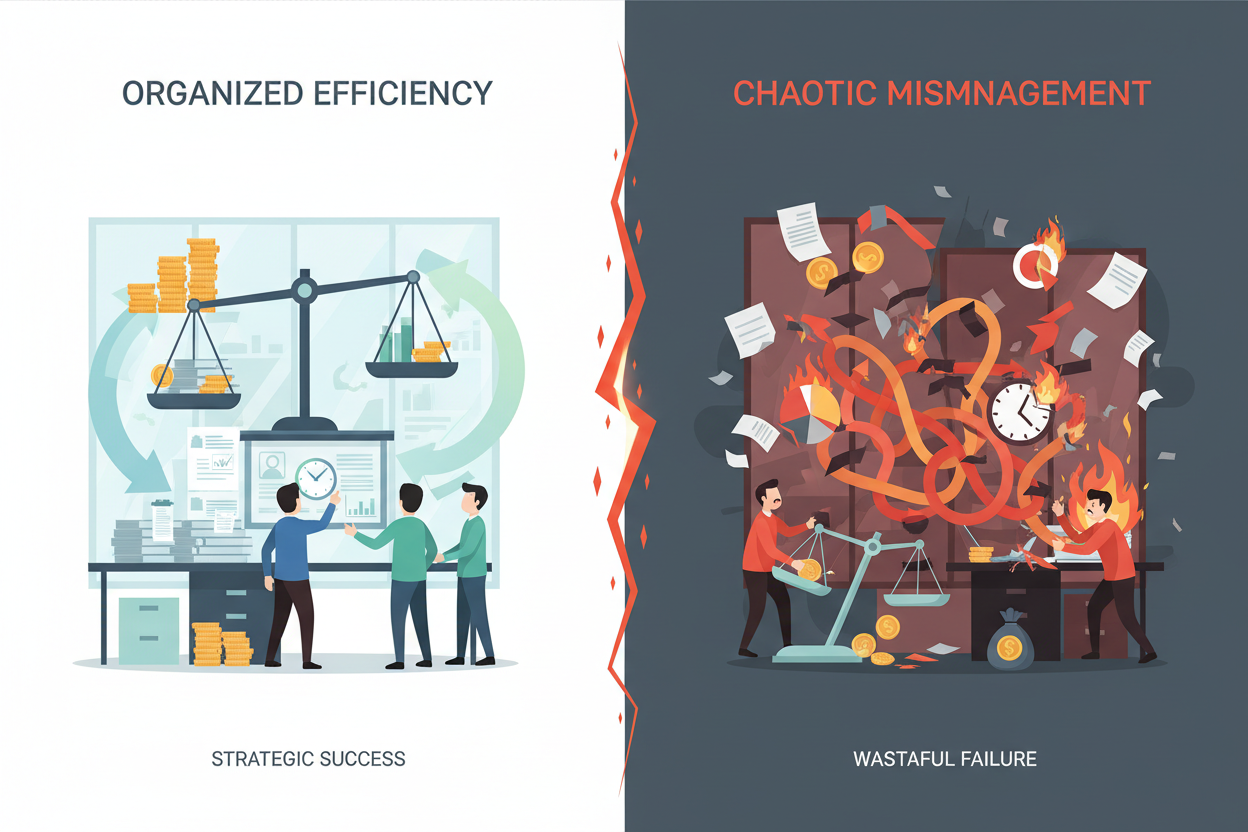
Resource allocation—the strategic distribution of people, time, budget, and assets across projects—can make or break your business efficiency. When done right, it maximizes productivity and minimizes waste. When done wrong? Well, let’s just say I’ve seen promising projects crash and burn because resources were scattered like confetti in a windstorm.
The beauty of no-code tools lies in their accessibility. You don’t need a computer science degree or a hefty IT budget to create sophisticated resource allocation systems. Whether you’re managing a small team or orchestrating enterprise-level operations, these platforms can transform how you distribute and track your most valuable assets.
Understanding Resource Allocation Challenges in Modern Business
Before diving into solutions, let’s acknowledge the elephant in the room: traditional resource allocation is messy. I’ve witnessed countless organizations struggle with outdated methods that create more problems than they solve.
The most common pain points include limited visibility into resource availability, manual tracking processes that eat up valuable time, and the inability to adapt quickly when priorities shift. Many teams still rely on static spreadsheets that become obsolete the moment they’re shared, leading to double-bookings, overallocated team members, and projects that stall due to resource conflicts.
Communication breakdowns compound these issues. When resource information lives in silos, departments make decisions in isolation, often competing for the same limited resources without realizing it. This creates a domino effect of delays, frustrated team members, and missed deadlines that could have been avoided with better coordination.

The financial impact is significant too. Poor resource allocation leads to budget overruns, inefficient use of skilled personnel, and opportunity costs when high-priority projects get delayed because resources are tied up in lower-value activities.
Top No-Code Platforms for Resource Management
The no-code landscape offers several powerful platforms specifically designed to tackle resource allocation challenges. Each brings unique strengths to the table, so choosing the right one depends on your specific needs and organizational complexity.
Airtable stands out as a versatile hybrid between databases and spreadsheets, offering robust filtering and view options that make resource tracking intuitive. Its strength lies in handling complex relationships between projects, people, and assets while maintaining the familiar feel of traditional spreadsheet tools.
Monday.com excels in visual project management with built-in resource allocation features. The platform’s timeline views and workload management tools provide clear insights into team capacity and project dependencies, making it easier to spot potential bottlenecks before they become problems.
Notion offers incredible flexibility for organizations that need customized resource management solutions. While it requires more setup time, the ability to create interconnected databases, automated workflows, and custom dashboards makes it powerful for teams with specific requirements.
For budget-focused resource allocation, tools like Zapier combined with Google Sheets can create surprisingly sophisticated automation workflows. This approach works well for smaller teams or organizations just starting their no-code journey.
Setting Up Your No-Code Resource Allocation System
Creating an effective resource allocation system starts with mapping your current processes and identifying key data points. Think of this as building the foundation of a house—get it right, and everything else falls into place smoothly.
Begin by cataloging all your resources: human resources with their skills and availability, equipment and tools, budget allocations, and any other assets your projects depend on. This inventory becomes the backbone of your system, so accuracy here pays dividends later.
Next, define your allocation rules and priorities. Some projects might have fixed deadlines that take precedence, while others offer flexibility. Establishing these parameters upfront prevents confusion and provides clear guidelines for decision-making when conflicts arise.
Choose templates or build custom structures that reflect your workflow. Most no-code platforms offer pre-built resource management templates that you can customize. Don’t feel pressured to use everything immediately—start simple and add complexity as your team becomes comfortable with the new system.
Integration with existing tools is crucial for adoption success. If your team already uses specific communication platforms, calendar systems, or project management tools, ensure your no-code solution can connect with them. Seamless data flow between systems reduces manual entry and increases the likelihood that team members will actually use the new allocation system.
Creating Automated Workflows for Resource Distribution
Automation transforms resource allocation from a reactive scramble into a proactive strategy. The goal isn’t to replace human judgment but to handle routine decisions and flag situations that need attention.
Start with simple automation rules: automatically assign available team members to new projects based on skills and current workload, send alerts when someone approaches capacity limits, or update project timelines when resource availability changes. These basic automations eliminate much of the manual monitoring that typically consumes management time.
Escalation workflows prove invaluable for handling conflicts. When the system detects resource conflicts—like two high-priority projects competing for the same specialist—it can automatically notify relevant stakeholders and provide data to support decision-making. This proactive approach prevents small conflicts from becoming major delays.
Approval workflows add another layer of control for sensitive resources or budget allocations. You can set up automatic routing for resource requests that exceed certain thresholds, ensuring appropriate oversight without slowing down routine allocations.
Time-based automations help with planning and maintenance. Weekly capacity reports, monthly resource utilization summaries, and quarterly allocation reviews can all run automatically, providing consistent data for strategic planning without requiring someone to remember to generate these reports manually.
Real-Time Monitoring and Analytics
The true power of no-code resource allocation systems emerges through real-time visibility and data-driven insights. Unlike static planning documents, these dynamic systems provide current information that enables quick course corrections and informed decision-making.
Dashboard creation should focus on actionable metrics rather than vanity numbers. Key indicators include current team utilization rates, upcoming resource conflicts, project completion predictions based on current allocation, and budget burn rates compared to planned spending. These metrics tell a story about your resource health and highlight areas needing attention.
Capacity planning becomes significantly easier with visual representations of resource allocation over time. Heat maps showing team workload distribution, Gantt charts displaying project timelines and dependencies, and capacity graphs revealing peak demand periods all contribute to better strategic planning.
Exception reporting helps maintain system health by automatically flagging unusual patterns. If someone suddenly shows 150% allocation, if a critical project lacks essential resources, or if budget spending accelerates unexpectedly, automated alerts ensure these issues get immediate attention.
Historical analysis provides valuable insights for future planning. By tracking allocation patterns over time, you can identify seasonal trends, understand which types of projects consistently require more resources than initially planned, and recognize team members who consistently deliver ahead of schedule.
Best Practices for Team Adoption and Training
Even the most sophisticated no-code resource allocation system fails without proper team adoption. Success depends more on change management than technical implementation.
Start with champions—team members who are naturally inclined toward process improvement and technology adoption. Train them thoroughly, gather their feedback, and use their success stories to encourage broader adoption. These early adopters become your internal advocates and help troubleshoot issues before they affect the entire team.
Gradual rollout prevents overwhelming your team with too many changes at once. Begin with basic resource tracking, then gradually introduce automation features and advanced analytics. This approach allows people to build confidence with simple features before tackling more complex functionality.
Documentation and training materials should focus on practical scenarios rather than feature lists. Create step-by-step guides for common tasks like requesting resources, updating availability, and resolving conflicts. Video walkthroughs often work better than written instructions for visual learners.
Regular feedback sessions help identify friction points and improvement opportunities. Schedule weekly check-ins during the initial rollout period, then move to monthly sessions once the system stabilizes. This ongoing dialogue ensures the system evolves to meet actual needs rather than theoretical requirements.
Measuring Success and ROI of No-Code Resource Allocation
Quantifying the impact of your no-code resource allocation system validates the investment and identifies areas for further improvement. The key lies in establishing baseline measurements before implementation and tracking meaningful changes over time.
Time savings often provide the most immediate and visible benefits. Measure how long resource allocation decisions took before and after implementation, including time spent on conflict resolution, status reporting, and planning activities. Many organizations see 50-70% reduction in administrative overhead within the first few months.
Project delivery metrics reveal operational improvements. Track on-time completion rates, budget adherence, and scope creep incidents. Better resource allocation typically leads to more predictable project outcomes and fewer last-minute scrambles to meet deadlines.
Team satisfaction surveys provide qualitative insights into system effectiveness. Ask about workload balance, clarity of priorities, and stress levels related to resource availability. Improved resource allocation often correlates with higher job satisfaction and reduced burnout.
Financial metrics demonstrate business impact. Calculate the cost of the no-code platform against savings from improved efficiency, reduced overtime, better resource utilization, and fewer project delays. Most organizations achieve positive ROI within 6-12 months of implementation.
Common Pitfalls and How to Avoid Them
Learning from others’ mistakes can save significant time and frustration in your no-code resource allocation journey. Several predictable pitfalls catch organizations off guard, but awareness helps you navigate around them.
Over-engineering represents the most common trap. The flexibility of no-code platforms can tempt you to build overly complex systems that require extensive maintenance and confuse users. Start simple and add complexity only when clear benefits justify the additional overhead.
Data quality issues undermine even the best-designed systems. If team members don’t update their availability accurately or project requirements change without system updates, your allocation decisions become unreliable. Establish clear data governance practices and make updating information as easy as possible.
Insufficient change management dooms many technically sound implementations. People resist new systems, especially when they’re comfortable with existing processes. Invest adequate time in training, communication, and addressing concerns rather than assuming the benefits are obvious to everyone.
Integration failures create data silos that reduce system effectiveness. Ensure your no-code solution connects properly with existing tools and that data flows smoothly between systems. Manual data entry between platforms quickly becomes a bottleneck that undermines adoption.
Future Trends in No-Code Resource Management
The no-code resource allocation landscape continues evolving rapidly, with emerging trends that promise even greater efficiency and intelligence in resource management.
Artificial intelligence integration is becoming more accessible through no-code platforms. AI-powered resource allocation can analyze historical patterns, predict optimal assignments, and suggest proactive adjustments based on project requirements and team capabilities. These features are transitioning from enterprise-only solutions to mainstream no-code tools.
Mobile-first design ensures resource allocation systems work seamlessly across devices. As remote and hybrid work models become permanent fixtures, the ability to manage resources from anywhere becomes crucial. Modern no-code platforms prioritize mobile experiences that match desktop functionality.
Advanced analytics and predictive modeling help organizations move from reactive to proactive resource management. Machine learning algorithms can identify patterns in resource utilization, predict future capacity needs, and recommend optimal allocation strategies based on project success rates and team performance data.
Integration ecosystems continue expanding, making it easier to connect resource allocation systems with specialized tools for different industries and use cases. This trend toward interoperability means organizations can choose best-of-breed solutions without sacrificing data consistency or workflow efficiency.
Conclusion
No-code tools have fundamentally changed the resource allocation game, making sophisticated management systems accessible to organizations of every size and technical capability. The journey from spreadsheet chaos to streamlined, automated resource distribution doesn’t require massive IT investments or months of development time—it requires thoughtful planning, gradual implementation, and commitment to continuous improvement.
Success with no-code resource allocation hinges on understanding your specific challenges, choosing appropriate tools, and focusing on user adoption as much as technical implementation. The organizations that thrive are those that view these systems as enablers of better decision-making rather than replacements for human judgment.
As you embark on or continue your no-code resource allocation journey, remember that perfection isn’t the goal—progress is. Start with solving your biggest pain points, measure the impact, and gradually expand functionality as your team becomes more comfortable with the new approach. The efficiency gains, improved project outcomes, and reduced stress levels that result from better resource allocation make the investment in no-code solutions one of the smartest decisions modern organizations can make.
The future belongs to organizations that can adapt quickly, allocate resources efficiently, and make data-driven decisions in real-time. No-code tools provide the foundation for that future, and the time to start building is now.
Click Here For More Details