
How to Use No-Code Tools for Improved Project Collaboration 🚀
Table of Contents
1. Introduction to No-Code Collaboration
2. Understanding No-Code Tools in Project Management
3. Top No-Code Tools for Team Collaboration
4. Setting Up Your No-Code Collaboration Workflow
5. Best Practices for Maximum Team Efficiency
6. Common Challenges and Solutions
7. Measuring Success in No-Code Collaboration
8. Future of No-Code Project Management
9. Frequently Asked Questions
Introduction: Why No-Code Tools Are Revolutionizing Project Collaboration
Remember the days when setting up a project management system required a dedicated IT team and weeks of configuration? Those days are long gone! 💫 No-code tools have transformed how teams collaborate, making sophisticated project management accessible to everyone—regardless of their technical background.
In today’s fast-paced business environment, teams need solutions that work immediately, adapt quickly, and don’t require a computer science degree to operate. Whether you’re managing a small startup team or coordinating across multiple departments in a large corporation, no-code collaboration tools offer the flexibility and power you need to keep everyone on the same page.
This comprehensive guide will walk you through everything you need to know about leveraging no-code tools for improved project collaboration. From selecting the right platforms to implementing best practices that actually work, we’ll cover it all.
Understanding No-Code Tools in Project Management Context
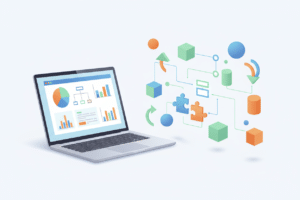
No-code tools are platforms that allow users to build applications, workflows, and systems without writing traditional code. Think of them as digital building blocks—you drag, drop, and configure rather than program from scratch. In the context of project collaboration, these tools enable teams to create custom solutions that fit their unique workflows perfectly.
The beauty of no-code collaboration tools lies in their democratization of technology. Your marketing manager can build a campaign tracking system, your HR team can create an onboarding workflow, and your sales team can design a lead management process—all without bothering the IT department! 🎯
What makes these tools particularly powerful for project collaboration is their visual nature. Instead of wrestling with complex code or rigid templates, you’re working with intuitive interfaces that mirror how you naturally think about processes and workflows.
Top No-Code Tools for Team Collaboration
Let’s dive into some of the most effective no-code tools that can transform your team’s collaboration experience:
Notion stands out as an all-in-one workspace that combines notes, databases, wikis, and project management. I’ve seen teams completely replace multiple tools with just Notion, creating everything from simple task lists to complex project dashboards. Its flexibility is both its greatest strength and potential weakness—you can build almost anything, but it requires thoughtful planning.
Airtable bridges the gap between spreadsheets and databases beautifully. If your team is comfortable with Excel but needs more power, Airtable is often the perfect stepping stone. Its collaboration features, including real-time editing and commenting, make it excellent for teams that need to work together on data-heavy projects.
Monday.com excels at visual project management. Its colorful, intuitive interface makes project status immediately clear to everyone involved. The platform’s strength lies in its ability to adapt to different project management methodologies while keeping the user experience simple and engaging.
Zapier might not be a collaboration tool in the traditional sense, but it’s the glue that connects all your other tools. By automating workflows between different platforms, Zapier eliminates the manual work that often creates collaboration bottlenecks. Imagine having your project updates automatically flow from your task management tool to your team chat—that’s the power of Zapier! ⚡
Setting Up Your No-Code Collaboration Workflow
Creating an effective no-code collaboration workflow starts with understanding your team’s specific needs. I always recommend beginning with a collaboration audit—map out how information currently flows through your team, identify pain points, and document what success looks like.
Start small and build gradually. Choose one specific process or project type to digitize first. Maybe it’s your weekly team meetings, client onboarding process, or content creation workflow. Once you’ve successfully implemented and refined one process, you can expand to others.
When setting up your workflow, focus on these key elements: clear task ownership, transparent progress tracking, centralized communication, and easy access to resources. Your no-code tool should make these elements more visible and manageable, not more complex.
Consider the user experience from day one. The most sophisticated workflow is useless if your team won’t use it. Involve team members in the design process, gather feedback early and often, and be prepared to iterate based on real-world usage.
Best Practices for Maximum Team Efficiency
Successful no-code collaboration isn’t just about choosing the right tools—it’s about implementing them thoughtfully. Here are the practices that separate thriving teams from those that struggle:
Establish clear naming conventions and organizational structures. Nothing kills collaboration faster than confusion about where to find information. Create consistent naming patterns for projects, files, and tasks that everyone understands and follows.
Set up automated notifications strategically. While automation is powerful, notification overload is real. Configure alerts for truly important events and let team members customize their notification preferences. The goal is to keep everyone informed without overwhelming them. 📱
Create templates for recurring processes. One of the biggest advantages of no-code tools is their ability to standardize processes through templates. Whether it’s project kickoffs, client deliverables, or team retrospectives, having templates ensures consistency and saves time.
Implement regular review and optimization cycles. Your collaboration needs will evolve as your team grows and changes. Schedule monthly or quarterly reviews to assess what’s working, what isn’t, and how your tools can better serve your team’s needs.
Common Challenges and Solutions
Even with the best intentions, teams often face predictable challenges when implementing no-code collaboration tools. Here’s how to navigate the most common ones:
Resistance to change is perhaps the biggest hurdle. Some team members may prefer familiar tools, even if they’re less effective. Address this by involving skeptics in the selection and setup process, providing adequate training, and demonstrating quick wins that show immediate value.
Tool sprawl can become a problem when different team members adopt different no-code solutions. Establish guidelines for tool selection and regularly audit your tech stack to ensure you’re not duplicating functionality unnecessarily.
Data silos can emerge if your no-code tools don’t integrate well with existing systems. Before committing to any platform, verify its integration capabilities and consider how data will flow between different tools in your ecosystem.
Scalability concerns often arise as teams grow. What works for five people might not work for fifty. Choose tools that can grow with your team and regularly reassess whether your current solutions still meet your needs. 📈
Measuring Success in No-Code Collaboration
How do you know if your no-code collaboration efforts are actually working? Success metrics should align with your original goals, but here are some universal indicators to track:
Time savings are often the most immediately visible benefit. Track how long common processes take before and after implementing your no-code solutions. Many teams see 20-30% time savings on routine collaborative tasks.
Communication efficiency can be measured by monitoring the reduction in status update meetings, clarification emails, and project-related interruptions. When information is easily accessible and automatically updated, these communication overhead costs naturally decrease.
Project delivery metrics such as on-time completion rates, budget adherence, and quality scores often improve when teams have better collaboration tools. The visibility and accountability that no-code tools provide naturally drive better project outcomes.
Team satisfaction is equally important. Regular surveys about tool usability, workflow efficiency, and overall collaboration experience provide valuable insights that pure metrics might miss.
Future of No-Code Project Management
The no-code movement is just getting started, and the implications for project collaboration are exciting! We’re seeing artificial intelligence integration that can predict project bottlenecks, suggest optimal resource allocation, and even automate routine project management tasks.
Voice interfaces and mobile-first design are making collaboration tools more accessible than ever. Soon, updating project status might be as simple as talking to your phone during your commute home. 🎤
The line between no-code and low-code is blurring, giving power users more customization options while keeping the barrier to entry low. This evolution means that your collaboration tools will become increasingly sophisticated while remaining user-friendly.
Integration capabilities are expanding rapidly. The future promises seamless connections between all your business tools, creating a unified collaboration ecosystem that adapts to how your team naturally works.
Conclusion: Embracing the No-Code Collaboration Revolution
No-code tools have fundamentally changed what’s possible for team collaboration. They’ve removed the technical barriers that once made sophisticated project management the exclusive domain of large organizations with dedicated IT resources. Today, any team can create custom collaboration solutions that fit their unique needs perfectly.
The key to success lies not in choosing the most feature-rich tool, but in thoughtfully implementing solutions that genuinely improve how your team works together. Start small, involve your team in the process, and be prepared to iterate based on real-world feedback.
Remember, the best collaboration tool is the one your team actually uses. Focus on solving real problems, keep the user experience simple and intuitive, and don’t be afraid to experiment until you find what works best for your unique situation.
The future of work is collaborative, flexible, and increasingly powered by tools that anyone can use and customize. By embracing no-code collaboration tools today, you’re not just improving your current projects—you’re preparing your team for the future of work itself. 🌟
Frequently Asked Questions
Q: Do I need technical skills to use no-code collaboration tools?
A: Not at all! That’s the whole point of no-code tools. If you can use a smartphone or navigate a website, you can learn to use these platforms. Most offer intuitive drag-and-drop interfaces and plenty of tutorials to get you started.
Q: How much do no-code collaboration tools typically cost?
A: Costs vary widely, but many tools offer free tiers for small teams. Paid plans typically range from $5-50 per user per month, depending on features and team size. Most teams find the productivity gains far outweigh the costs.
Q: Can no-code tools integrate with our existing software?
A: Most modern no-code platforms offer extensive integration capabilities, either natively or through tools like Zapier. Before choosing a platform, check its integration directory to ensure it works with your critical existing tools.
Q: What happens to our data if we decide to switch tools?
A: Reputable no-code platforms provide data export options, though the ease of migration varies. Always check a platform’s data portability policies before committing, and maintain regular backups of critical information.
Q: How do I convince my team to adopt new collaboration tools?
A: Start by involving them in the selection process and clearly communicating the problems these tools will solve. Provide adequate training, start with a pilot project, and celebrate early wins to build momentum and confidence.
Click Here For More Details